Anxiety, Suffering & Humility
Host: Melanie Ramdeen
Date: Nov 26, 2022
Listen on: Spotify
Themes: Mental & Emotional Health · Practical Resilience · Faith & Doubt
Featured quote
Suffering brings humility — and unexpected gifts are found in our hardest transitions.
— Karis Meier, on Don’t Speak Defeat to Me with Melanie Ramdeen
About this episode
- Discussion of anxiety and suffering.
- How suffering brings humility.
- Gifts found in transitions and difficult seasons.
- Refusing to speak defeat over your circumstances.
Highlights
Humility Through Suffering
Suffering brings humility — and unexpected gifts are found in our hardest transitions.
What makes this unique
The show’s name itself — ‘Don’t Speak Defeat to Me’ — frames Karis’s story as one of defiance against despair. Topics of anxiety and humility offer a different entry point for listeners.
Full transcript
Read the full transcript
Transcript source: Whisper (large-v3, cleaned).
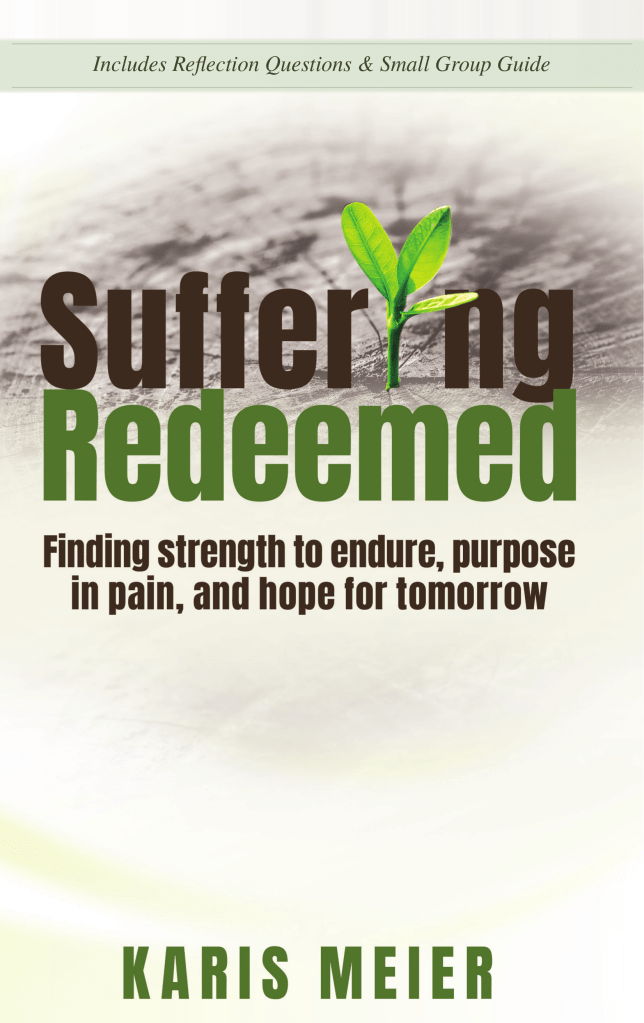
Hey King, Hey Queen, you’re listening to Don’t Speak Diffy to Me Podcast where we give you tools to survive, thrive and flourish. And if you want to do any of those, this is a podcast just for you. And today we have a very special guest with us, Karis Meier. She’s going to talk us through transition and she is an author and she’s a woman that is very beautiful. You guys, I saw a quick glimpse of her and she’s so beautiful and I already believe and know in my heart that her spirit and her words will be beautiful and life-changing to all my listeners out there so i hope you all are ready for this conversation so let’s get straight into it so today we’re going to have a little chat about transition we’re going to talk about change we’re going to talk about you know transitioning through trials and whatnot so you know i have some questions because you know i always have questions that’s me i always have questions and what better to have a guest who went through some trials, who went through some situations that can answer us and give us the questions, give us the answers that we’re looking for. So Karis, welcome. It’s great to have you and don’t speak defeat to me. Thank you. Thanks for having me. No problem. So before we begin, just tell us a little bit about yourself, where you’re from and whatnot. So we can feel like we’re having two old girlfriends and not just having a chats. Sure. So as Mellie said, my name is Karis Meier. I live in Northern Virginia with my husband and four children, ages two to 12. So I’m a busy mom right now. I taught in the school for a while and then transitioned to counseling. I got my master’s in counseling. And then for about the In fact, the last five years, I’ve been doing a lot of writing with blog and then just publishing a book about a month ago. Spend a lot of time involved with our church and neighborhood and school, with my kids’ school. So, yeah, that’s a little bit about me. Wow, you seem like a really busy lady. I thought I was busy, but wow. wow yeah I tell my kids I’m like I’m never bored and they’re like what you’re never bored I’m like no I’m never bored that that’s funny because I tell my friends a lot of them they’re like don’t you get bored I’m like I’m never bored because I always have something to do so I totally relate I totally relate so let’s get straight into the conversation so today we’re looking at transition and you know what I looked up how do we transition because as I was Stalin and I’m Karis before we started to record that I’m a bit of a literature geek I’m a bit I love I love everything literature so hence I wrote a book but so when I realized and I looked up the word transition they said it’s to undergo change over a period of time and I realized that a lot of us we go through periods in our life where things change around us but how do we know how do we deal with the suppressed emotions during a transition period because sometimes our environment can change but emotionally we don’t change with the environment we’re still stuck in that same old cycle of emotions because we haven’t been brought up to speed with what the new environment or the new scenery has brought into our lives so Karis can you tell us a little bit about how do how would we deal with suppressed emotions during a transition period yeah i would love to so it’s interesting melanie that you asked me specifically about this because i don’t think you knew um that i my husband’s in the military and so we move a lot and my parents were missionaries so as a child I moved a lot. So I, like in the last 17 years, we’ve moved 13 times. And as a kid, we moved even more, more regularly. So I have been through a lot of transition. I mean, that’s just location, right? But there are so many different aspects. I think when you think of, of transition, you know, it could be something that is exciting you know it could be something like starting college or having a baby or a moving location or it could be prompted by you know a distressing situation like losing losing a spouse or getting a medical diagnosis and so or just even like a milestone like retirement or turning a certain age um so i think you know when we think about transition is there’s such a broad, you know, even though there’s, there’s, you know, good, maybe better transitions and more negative transitions, they all can bring up, like you said, just so many different emotions. And sometimes we aren’t even aware of these emotions until after it’s happened and we’re going through life and we realize something’s wrong. And so I think something I’ve learned just through my journey and also it as a counselor and um and just being in life with other people is just how we’re all so different in the way that we process emotions and it’s really important to figure out which which way is um is best for you know as as an individual whether it be you know some people just need to talk it out they need someone to um they’re more verbal processors so they need someone to kind of speak back to them and they need to they need to get it out verbally whereas other people like for me i’m more of a writer like i process my words in writing much better than in speaking um and then sometimes this needs to be more active you know processing through maybe it’s going for a walk or run or even punching a pillow or you know so in more of a or just just crying you know just letting letting it out more physically yeah and so I think I think that’s one thing to be aware of it just is just there’s so many different ways to process emotions there’s not one that’s better or worse there’s just there we’re just different and so figuring that out um is I think it’s really important yeah and then i’ll just say one more thing about that as far as the suppressed emotions i think you know our mindsets what we’re thinking and what we’re our self-talk you know what we’re speaking to ourselves in these transitions is so important too um so you can ask yourself you know what are things that i’m saying to myself in this you know in this situation are these comments helping me or are they making it worse you know are we are we allowing defeat to the rule in our thoughts or are we practicing like more of a growth mindset and looking at situations we can look you know i know often people say you know the glass is it is it half empty or half full and maybe that analogy is overused but there is something to a situation where you can look at it different ways and how you do that really determines you know the emotions you’re going to feel about that situation definitely wow you know there’s something you said there you know like um how we process emotions and you know just cry us out so a little bit of backstory about me was when i was really young a lot of things would have happened and i was never the one to deal with it i would just be i was my family would call me the reserved child so they would be like she doesn’t show emotions she doesn’t she doesn’t they would always say i’m very cold and one thing i’ve realized that it was during a transition period in my life of where i decided i wanted to get closer with god i often tell my friends as a joke as like god make me a cry baby because he now allows me to process my emotions by using tears sometimes and everybody’s like you’re always quick to cry but i actually rather crying and i’m also i also write it out as well but sometimes you just need a good cry you just really need a good cry to get it out because you know there’s a scripture that says you know your tears are prayers or words from your heart that i think there’s a scripture i’m not sure if it’s that but there’s your tears are words from your heart that you don’t know how to say and i don’t know if it’s a scripture or quote but i just love that because really and truly sometimes you just don’t know what to tell people you really and truly don’t know what to tell people when they ask and a lot of times by suppressing our emotions you know a lot of i will be scrolling through instagram and i will see someone say um you know if somebody was just to give me a hug right now i would fall apart and that’s you’re suppressing your emotions you’re suppressing whatever rage whatever fear whatever disappointment that you may have faced during the past week during the past few weeks during the past month or even the years that you held it in that really and truly when a war when someone’s warmed and someone’s genuine care comes near to you and they just ask a simple question like are you okay you fall apart because that it triggers a sense in you that you’re safe and a lot of times why we may not necessarily feel it’s okay to process emotions particularly during a transition period is because a lot of times as humans we don’t necessarily feel face see sorry feel safe in the environments that we’re in because it’s different it’s new it’s like how do i manage this how do i navigate myself through this new situation while dealing with my emotions but my advice is don’t don’t suppress it deal with it because it’s it’s important just like the transition period is important your emotions whatever your reaction to the transition is important as well so jumping off of that i just want to ask like why do you think transition is important in our lives a human in our human lives or even in our christian work why do you think transition is important yeah so i think you know we’re always in a state of transition right we’re always changing we’re always um, growing in some way. Um, there, you know, as time goes by, that’s even a transition, you know, one from one minute to the next. Um, so I think it’s just something that is part of life, whether we embrace it or not, you know, the reality is, um, our lives, it’s just going to be a continual transition. There’s, there’s some that, you know, of course that are going to be more um you know bigger and you know are going to affect our lives more but having kind of that i guess just kind of that receptive and open and flexibility you know we really need to be flexible and learn to one of the army’s favorite words is resilience like learning resilience learning how to be resilient against the things that come at us in life because you know we all will have them and some people have more than others but um but i think it’s it’s it’s very important to be to be aware of that and also to just um to recognize that change is difficult you know to um to not put more pressure on yourself and the reality is that we aren’t always going to navigate life transitions perfectly and that’s okay you know to give ourselves grace to give other people grace to recognize you know we’re not perfect and that’s okay and then also I think just as you were sharing you know it really resonated with me because I’m I was very similar to you in that I was very reserved as a child did not express my emotions and for years and years and years and years until things got so bad for me about five years or maybe about seven years ago years ago now where i it you know i just i couldn’t keep it together anymore and everything just started kind of coming out but yeah um but i think in that just as you shared like god really allowed that for me to open up my spirit to him more and in the psalms honestly where it was really the place where i learned how to express myself to god in a way that that was just very healing you know learning to share with him some of the things that i didn’t feel like you know i felt such a fear like i wanted to honor god and i didn’t want to say anything that was dishonoring to the point where i think it kind of hindered my relationship with him um so i’m just sharing that because i think as far as the transition part we need to we need to take our whole um actually in my body i my body in my book i talk about you know attending to the whole person and you know body soul and spirit and just how how important it is to attend to all the different aspects and i think especially when in transitions in life you know we need to take care of ourselves in all these areas we need to take care of our bodies you know we need to learn you know what our bodies need exercise the right food you know um how to get the you know the proper kind of rest and then you know our souls and that kind of is more like our mind our emotions our will how we relate to others you know so learning how to take care of that aspect of ourselves and then also our spirit in which we relate to god and so um i think i think sometimes when we have an issue we often only you know kind of get narrow narrow vision and only focus on that one aspect instead of realizing that you know we’re made so beautifully and so complexly that that every every part of our life is gonna affect the others you know so if we’re having a physical issue it’s gonna affect our relationship with our friends with our spouse it’s gonna affect our relationship with god you know so it’s not just it’s not so easily compartmentalized it’s you know we need to we We need to address ourselves holistically and other people, too. Definitely. Definitely. I agree. You know, it’s like domino effect. Everything connects to each other. So one connects to the other and one thing makes the other better. But if one thing, one part of the body is not working, you will feel it on the other part of the body eventually. So I agree with what you’re saying. And I love that you shared a little bit about your story and you can relate to me a little bit um but yeah you know i’m doing what i do now on a daily basis i’m constantly working in the education system i’m constantly surrounded by young children young adults and they’re going through so many changes they’re going through so many transitional periods in their life whether they do whether they’re in that phase where they need to think about what i want to do with my life what i want to become what i want to be or do i want to stand out do i want to fit in you know we also have the hormonal changes that they’re facing the emotions that they’re feeling that they don’t know how to deal with it and a lot of times um as adults we tend to overlook the higher level of stress that our younger generation to tend to feel because we think it’s only us alone have stress because we have the nine to five we have the bills to pay we have this little but we don’t recognize that our younger generations our teens our pre-teens they themselves are going through transitions so like you’re saying we all go through change we all go through change we all evolve but i think when we look at younger people We see they are more prone to higher stress levels during a transitional period. And why do you think they’re more prone to higher stress levels? Yeah, that’s a good question. And I think it’s important to really think about that. For one thing, you know, the world we are living in, I mean, when I think back when I was a teenager, it’s a completely different world now. I mean, even 20 years ago, it’s, it’s just with the internet and social media and in lots of different ways. I mean, COVID, you know, that’s a whole nother level of, of, of things, but, but it’s, it’s, it’s a hard world. I mean, when I look at my kids, I’m like, wow, they have to deal with stuff a lot younger than, than we did in my generation. And so I think that’s just one thing to recognize is the world is different it is very different than it was 10 15 20 years ago and um and so that’s one thing but also you know younger kids also they just they haven’t they haven’t had the time to develop coping skills and if they aren’t given the tools if they’re not taught to then they are going to turn to what is easiest which is probably the not healthy ways to deal with stress and um so it just it takes wisdom and maturity and that comes from experience it you know it comes from practice and it also comes from from being um being mentored you know having people modeling that for you and so if you don’t have parents or mentors in your life who are modeling that for you um then you know that that that makes it very challenging um and i think too like there’s just a lot of pressure for young people you know their own expectations other people’s expectations unrealistic expectations you know that they place on themselves or from the world you know they feel like they have to keep it all together they have to look good they have to stay strong that you know all these lists of have to and shoulds and whatever and then and that pressure is just is too much and you know we see it in the rates of suicide and you know anxiety and depression and everything just rising with the with the these kids that is just devastating so um yeah there’s just there’s a lot of pressure and i think often two kids often think in you know like black and white thinking it’s all or nothing and so it can go to the extreme pretty quickly whereas i think with more life experience you kind of have a little more perspective and are able to kind of you know step back and kind of look at the bigger picture so yeah i think yeah i am listening to everything that you’re saying i just think it’s i agree you know because if we’re adults we look at them and we say well what do you have to be depressed about you know what do you have to be so anxious and worried about but we fail to realize that these children they live in a world of social media they live in a world where social media rules basically and you’re seeing these grand purposeful lives that others are living and they’re thinking that wow I have to be like that I it needs to be like that like I want to be there I want to do that I but and they put so much pressure on themselves to get to that destination but along the way they don’t realize there’s change that has to take place there is there is maturity there’s growth there’s knowledge they have to gain and there’s something that I’ve been telling my younger students a lot is that experience is knowledge you have knowledge but with experience you have a wider variety of knowledge because you cannot your what your experience is not just for you but it’s for others around you it’s for others that you come in connection with others you will come in contact with so don’t ever think of yourself as a minute speck on the spectrum but think of yourself as oh i can make a change i can make a difference and sometimes to make a change and as a quote says to um if you want change you must be the change so sometimes your transitional periods doesn’t always have to be environmental it could also be internal so i oftentimes tell them you know it’s okay if you’re going through emotions and you can’t express it but find someone that you can talk to find someone that can be your outlet your safe place because not everyone not everybody will have the right advice not everyone will have the right thing to guide you with because they too need the right advice and guidance we all need advice we all need guidance we all need help at some times we’re all going through something we’re all evolving we’re all changing so what you may know as a younger person could probably help me as the adult and what i mean was the adult could probably help you we both need each other it’s not one that’s higher than the other we both need each other in this world of transition and change and evolving because i can’t be better without you showing me that okay you can do it this way and you can be better without i showing you that you don’t have to take the long route you can take a shorter route and it will be a little more difficult but you will get a greater result so definitely so going on to that where we spoke of course because we spoke about anxiety and depression in the last in the last question is question is why do why do we feel anxiety when we experience change yeah so i think you know we are we like what we’re familiar with right i think as humans we you know we are creatures of habit we we thrive on schedules and routine and you know we’re comfortable with the knowns of life and and so when change happens we have to adjust right we have to change we have to also adjust in some ways and that takes that takes effort you know it takes energy takes planning takes intentionality and so if you’re already in a place of you know feeling feeling stressed that’s just going to add um more stress and it can feel overwhelming especially if you’re not prepared for that transition if it’s an unexpected transition or if it’s out of your control which I think is a huge thing. I think we, we really like to feel like we are in control. Yeah. And there’s a lot of things that are outside of our control. So when, when changes happen, we kind of, we realize how out of control we really are in, in a lot of areas of our lives. And, and that can be, that can feel scary. You know, it can feel, it can, you can feel vulnerable and um and so i think there’s just there’s just the added stress you know maybe and maybe it’s um just very like you know just things that in your life that are adding more time or more pressure or you need to make more money in a certain area because you lost your job or you know so it could be just practical things that that are adding stress but also just the emotional stress that comes with you know maybe a divorce or something like that where it’s a transition that that is going to change a lot of different areas of your life and so yeah I think those are some of the reasons I mean I think there’s a lot of different reasons why we feel anxiety but those are a few yeah I agree you know we like to feel that we’re we’re in control and anything that blows out of our control we want we tend to tighten the reins a little bit and we hold on to the reins so tight that we don’t want to let go but we don’t realize that by letting go we can truly experience something that’s so beautiful that’s so that’s so mind-blowing that it derives it arrives on the road of peace there’s peace when in letting go i’ve realized that there’s peace in letting go you can’t change the outcome but you can change how you react to the outcome that’s what that’s a life lesson i learned in 2022 actually because i would always like i wanted to fix this and it’s not going the way that i wanted it to go but i’ve realized that in order you know and i would have all these breakdowns i would have these anxiety attacks and I would realize you can change your environment but you can change how you react to what’s happening in your environment and you’ll realize how much easier it is to cope with what’s happening so I think I just gave a tip there change how you look at how you react instead of looking at how to fix what’s happening around you so we’re running a little bit out of time so I just um from this question you can tell us a little bit about your book suffering redeemed so how do we learn to suffer well yeah so i think you know as as believers as christians i think we god god doesn’t waste anything and i don’t i don’t think he’s gonna waste any of our pain or suffering when we are when we are looking to him and when we are living in obedience to him so i think we need to understand that there are purposes to suffering you know that that could be personal that could be for other the sake of others um and so recognizing that suffering isn’t all bad you know it’s not that we should want to stay in suffering i think it’s natural to want to get out of pain which is a natural human instinct but to but just like you said you know the acceptance that surrender to okay i can’t change this circumstance but i can change how i’m reacting to it right like i we all have the day before us we all have each moment before us and we can choose you know am i gonna make the most of this even though it’s not going how i want even though my life is not how i want or am i gonna fall into despair and you know self pity and different things that i could um if i allow these circumstances to overcome me um and then also just recognizing that you know suffering can be a catalyst that forces us to seek out the deep places of our inner beings you know that that we can come into a deeper relationship with jesus and that also we can become very compassionate and loving towards others when when we experience pain and suffering in our own lives, it really provides, you know, a channel of empathy where we can comfort and love others in places where we may not if we hadn’t gone through that difficult thing. So those are a couple things. And then I think also just the unexpected gifts. I have a chapter, it’s called, you know, the unexpected gifts in our suffering. Um, and, and, you know, whether it be just joy, like finding, finding true joy, um, which is not, you know, like happiness that is based on our circumstances, but, um, but true joy in Jesus and repentance too. I think there’s a humility that comes in suffering that is just beautiful. Like we, we recognize, um, our weakness in, And even though that’s uncomfortable, it also is, it’s just, it really brings us to a place of humility before God and also allows him to do work in us that we may not be aware of unless we had been in a place where we, you know, were brought to a place of need. and so i think sometimes we miss those things because we are so focused on um trying to get out of the pain or the suffering and so um yeah so that’s a little bit and so in the book okay i think i don’t know if i share the name but so the book is called uh suffering redeemed finding strength to endure purpose in pain and hope for tomorrow and um yeah i just wrestle with a lot of the questions that I’m sure many of us have wrestled with on days where life just feels too hard, you know, but God’s word is so rich and it’s so full of truth and hope that we can live by, you know, there’s so many promises in God’s word, you know, over 7,000 promises. And if we truly live by those promises, you know, how much better our lives would be if we really stood on those promises and believe them and spoke them. And so, yeah, I just, I’m, I can say that I’m thankful for the, for the years of struggle that I’ve had personally, because it really made me dig deep, um, into God, into his word and to, to look at my life and say, what, you know, what, what is, why am I living? Like, what, what is the purpose? What, what do I want to, to look back and say yes like that was a life well lived even though it was filled with a lot of hardship so I know we don’t have a lot of time so I’ll just keep it at that for now oh yeah thank you thank you so much for that though like I loved everything that you said you know especially with the promises of God you know hold on to the promises of God despite the struggles that you’re facing despite the struggles that you’re going through because yeah don’t speak defeat to me you know we don’t let our situation speak defeat to us but we look at in this face and say i stand firm on the promises of god that he calls me to be more than a conqueror he calls me to be the head and not the tail and if he calls me to be that i know that i can overcome anything that is in my path any obstacle any challenge i can i can overcome it because if i serve a god that does the impossible therefore i’m a child of the impossible so i love everything that you said there and i just want to thank you so much for joining me for having this discussion i’m sorry it’s a bit rushed but i’m dying i just want to thank you from the bottom of my heart for this discussion a lot of things that you said there just further um further cemented and further confirmed a lot of convictions that god has been speaking to me personally and i’m sure it further confirmed a lot of convictions that a lot of a lot of other people that who will listen to it later on we’ll have so if you want to share a final greetings to anyone and we will wrap up from here yeah well thank you thank you so much for having me it’s really my pleasure and i also learned a lot from you so thank you no problem so you guys you’re listening to don’t speak defeat to me where we give you tools to survive thrive and flourish remember i love you god loves you be strong and courageous remember you can do all things once you put your mind to Peace, love, blessings. Shalom.