Suffering Redeemed — The ‘I Can’ Mindset in Suffering
Host: Benjamin Lee
Date: Nov 16, 2023
Listen on: I Can Do Podcast
Themes: Practical Resilience · Identity & Purpose · Chronic Illness
Featured quote
An ‘I can’ mindset — even when your body says you can’t.
— Karis Meier, on I Can Do Podcast — Episode 217 with Benjamin Lee
About this episode
- Applying an ‘I Can’ mindset to chronic illness and suffering.
- Honest stories and hard-won wisdom.
- Habits that fuel resilience and perseverance.
- Karis among a roster of bestselling authors, athletes, and entrepreneurs.
Highlights
I Can Mindset
An ‘I can’ mindset — even when your body says you can’t.
What makes this unique
Karis featured alongside bestselling authors, elite athletes, and entrepreneurs. Positions her as a thought leader in resilience, not just a patient with a story.
Full transcript
Read the full transcript
Transcript source: Whisper (large-v3, cleaned).
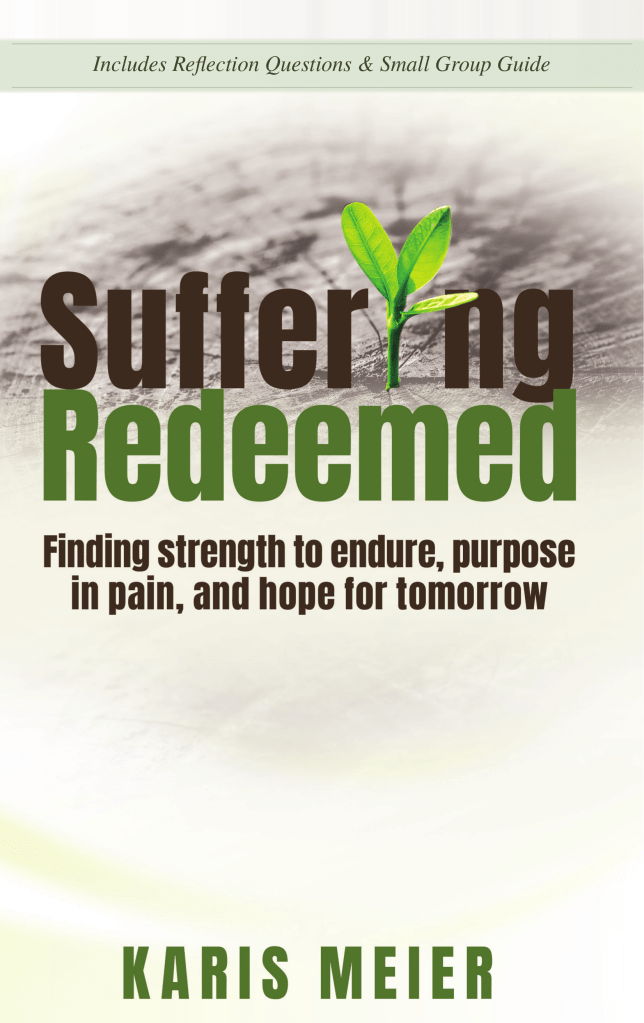
Language: en (probability 1.00) Duration: 3314s (55.2 min) Hello and welcome to a new episode of I Can Do. I am Benjamin Lee. We are here with another fantastic guest, Karis. It is nice to have you on the show. How are you doing? Good, thanks. It’s good to be here. Well, it’s great to be able to talk to you and really looking forward to learning more about you. We were just talking a little bit before we hit the record button. And I was sharing my story with you with respect to I Can Do and how this podcast really got started with my heart condition and defibrillator. You have a story that you’ve been sharing as well. I know you’ve been on a number of podcasts recently, and you have a book with respect to suffering, and we can talk more about that here shortly as well. I’d love to hear more about your story and your journey that has really gotten you to this point, and what motivated you to write a book about suffering and to help other people. Yeah. Yeah. So funny thing about stories is, you know, it’s like, you want the short version, the medium version, right? You’re going to get all the snippets, elevator version. Well, give us the snippets and let’s see. Let’s get the story here. The highlights and lowlights. So I grew up in a, I was very blessed to have parents who love Jesus and are actually missionaries. So I grew up overseas, uh, some and kind of went back and forth. Uh, so I have a foundation of, of knowing the Lord and which like we were talking about before too, is I’m, I’m so thankful. I don’t know where I would be today if not for that. Um, But yeah, I had a very blessed family. In high school, I had some years of rebelling some, kind of testing out the world. But after my freshman year of college, I went to a Bible school in Costa Rica. And that’s where I would say I really fell in love with Jesus. I really learned how to walk daily by the Spirit, just really enjoying life with God. and really provide the foundation, um, even more so to finish off college. Um, I got married. It was actually on my, well, it was actually on my honeymoon that I started having a lot of different issues, like, um, health issues, started losing weight and, um, found out a few months later that I had several different parasites that I had picked up when I was visiting my sister in Pakistan several months earlier. So my husband deployed, we were living in Alaska. And I started, you know, doing treatment to get rid of the parasites. So it ended up, I never really recovered from that. I never was able to get, you know, gain the weight back. I was never able to really get back to eating or feeling well. And so it ended up turning into I started having a lot of different organ problems because the parasites I had can can go into organs and do a lot of damage. So I and I was also we were also told about five years in our marriage that I wouldn’t be able to have kids because I had they found a tumor tumor on my pituitary gland. So just very, you know, very hard start to our marriage. My husband was deployed twice. Um, that was where I was back like in 2007. Um, so it was really shaken a lot, like just really, um, you know, I was 25. I was like in a body that felt like I was like 80 or something. I don’t know. Um, just, uh, did not expect life to go this way. I’d been very athletic, played soccer, did track through college. And, um, so it was, it was just a shock. It was really a shock to me, but I kept thinking, Oh, I’ll eventually get back to my old self. Like I can, I’m someone who I’m, I think I naturally handle pain pretty well and can just kind of put on a smile and go through life. Um, uh, so I was just like, that’s what I’ll do. I’ll just keep going. And, um, until I couldn’t anymore. Um, and I, um, so sorry, I’m kind of all over the place, but we, by, by God, we were able to get pregnant and, um, and today we have four kids. Um, but throughout, throughout the years, it just continued to be one thing after the other, you know, I had problems with my pancreas and kidneys and heart. So I was in all the hospital and sometime had to be on feeding tubes. Cause my, I just had so much damage in my digestive track that I couldn’t, um, I couldn’t eat food. I couldn’t, I couldn’t keep, keep anything down. And so, um, it was about six years ago now where I had a new, a new diagnosis. I started having, um, neuropathy in my hands, my legs, my feet to the point where I couldn’t walk. And so I was admitted to the hospital. Um, they didn’t know what was going on, which is kind of the story of my medical life like yeah what’s going on now you know um found out later that I had Lyme disease um and was that can I interrupt one second the Lyme disease was that going back to that parasite that you had from years ago or was this something different from that as well I don’t know I don’t think so I they don’t I don’t know because it wasn’t it wasn’t clear Lyme disease so hard to it’s so hard to diagnose, and it’s really hard to treat unless you catch it early, which I didn’t catch early enough. And so by that point, I just had a lot of in my immune system was just so down that I really was susceptible to a lot of things. And so from there, it was in that moment, it was in that time period where I was, I was very, I mean, throughout, you know, I really was depending on God and, um, had a strong relationship. But I think at that point it felt like, how could things get any worse? And then they did. And I, I was really in a point of, of despairing, um, despairing even of living, you know, feeling like at that point we had three kids. My husband was gone more then he was home with his job. And I was really struggling. And at the time, I thought, what am I going to write about? I felt so hopeless at that point. But after a few weeks of kind of procrastinating, I did. And I ended up starting a Facebook group called Suffering Well, and then started writing some blogs. And then the beginning of last year, I felt like the Lord was calling me to put a lot of what I had been writing into a book. And it was a hard process, partly because I never expected to use a lot of that to share with other people. I felt like it was more for myself, just processing a lot of the hard questions that I was dealing with daily and faith questions and questions about suffering and how do we, how do we keep living when life is too hard when it’s so hard? And, um, but it was looking back, I just see what a blessing that was for me. I think it really helped me grow in faith and also really search the scriptures and um have to dig deep and um and so I ended up um publishing that book last fall October of 2023 um wait yeah I don’t know I’m sorry 2022 and um so about a year ago and since then yeah it’s so I’m I’m still in a place where um life is challenging as far as like health related concerns. Although I feel like I have been a bit more stable the last couple of years. Um, but my, my heart really is just to, um, yeah, just to take what God has, has given me and continues to give me each day. Um, and there’s, you know, this world where like you said before, we all have the, it’s, you know, the things in our lives that are, that are hard, you know, whether it be small or big or lots or little, it’s we’re, we’re living in a world where there’s going to be suffering. And like we were talking about earlier, again, it’s, it’s how am I going to respond to this? Cause we have choices every day. Right. So I’ll stop there. Cause I said a lot. No, no, that’s, that’s, that’s what the show is all about. I’m glad you, you shared your story and I appreciate that for the audience. We’re recording this on a Thursday and, you know, this past week, um, you know, I preach full time and, um, we had a, it’s been a, it’s been a, it’s been a great week. It’s been a challenging week. One of the passages, Karis, I’ve been focusing on quite a bit has been Ecclesiastes chapter three, verse number one. Uh, there’s a time for everything under the sun, um, a time for joy and a time for laughter, a time for weeping and a time for mourning for birth and for death. And, uh, and, and that’s where the challenge comes in a lot right where we have the weeping or the wars as Solomon spoke about there in Ecclesiastes chapter 3 but we had a family here we do have a family here who are suffering tremendously they adopted a child and just long story short they had to recently just give back the child the biological father came back into the picture and so it’s just been it’s been a very heavy week after two and a half years you know with this young baby girl and so you know there’s a lot of questions that that come up and I think that’s something I want to talk a little bit more about the idea of suffering well questions naturally arise when you think about the book of Job by the time we get to chapter three he’s asking why was he even born then in chapter 23 he’s asking okay I want to have a conversation right now with God you know you need to, we need to have this little, you know, back and forth. And then by the end of the book, he’s saying, no, I really didn’t understand what I was saying. And suffering has a way of doing that for us. It’s almost like it’s, it’s cloudy, or it’s foggy, like you’re trying to drive to work on the highway, and it’s dense fog, you can’t see behind you, you can barely see in front of you. And it’s challenging. And there’s a lot of different emotions that come up. And what we had talked about, you just referenced it a moment ago. I’ve mentioned this in some of my journals that everyone has an it in the sense of something, you know, in life that just, you know, it’s like a gut punch, right? Where it’s just like, well, no, this isn’t supposed to be happening. You were mentioning your honeymoon and my wife and I, when we went on our honeymoon, you know, she found a lump in her breast, you know, that week. And we’re like, Oh, no, like, what is this? And so that’s not supposed to be part of the script. You know, when we think about when we get married, and the beautiful wedding and the white dress and this, you know, flying off to somewhere nice, and you’re like, Well, no, that’s not, that’s not how it’s supposed to go. And yet that that’s often how life is. And so suffering has an impact. And it’s a question that never really goes away. um but um i appreciate you sharing that i was curious when you were losing weight going back to after you got married like how much weight did you lose um and uh like how low did it get for you yeah so i think i lost like 25 to 30 pounds and i was already i’m already i was already kind of on the thinner side just naturally and so it was i mean it got to the point where it was it was quite dangerous a few times and it started affecting my heart. So I was malnourished to the point where my heart was starting to shut down. My, my heart rate was in the thirties a few different times. And then I had to be admitted and, you know, do the intravenous feeding. Um, and it’s just, it’s continued to be a challenge over the last 18 years now, um, is just trying to get my body to receive the nutrients. I try to give it, um, and just having to be very careful about what I eat and, um, all of that stuff. So, so how does one suffer? Well, yeah, I think so. I’m, I, I think there’s a lot of different ways it could be done. Um, as I shared in the beginning, I, I thought the best way was to just, um, do it myself to, I think part of it, I was, I didn’t want to come across as complaining. I knew from living overseas, there’s people that had it a lot worse than me. Um, there’s probably also some pride thinking, you know, I can, I can handle this myself. Um, I don’t know. I don’t know all the reasons, but I know that for many years I kept it inside and I did not reach out for help. And I did not share how hard things really were, even with my husband. Cause you know, he was, he was in Iraq for 18 months, shortly after we got married. And so I was like, I’m not gonna, he was in a very dangerous place. And I didn’t want to add to his already hard, you know, hard life. And so just things like that, you know, where I just, I didn’t, I didn’t know what to do with it. But I didn’t. And I would, I would pray about it. But even then, I think my prayers were, were guarded in that I didn’t, I think I was afraid to dishonor God. I was afraid to be very real with him because I didn’t, um, I didn’t know how to do that. Well, I didn’t know. Uh, and so I, it was, the Psalms actually were a huge part of me learning how to, how to really pour out my heart to God, how to really express the depth of emotion, but also declare God’s goodness and his praise and his worth and all that, you know, because it’s just such a mixture of raw emotion there. And so I think there was a time and when things got so bad to the point where I was like, I really cannot handle this anymore, is when I think I started learning more. Okay, so what I what I thought was suffering well, um, is maybe not, that’s not all to it. You know, I, I, I need to learn how to do this in a way that, yes, I want to glorify God. And I want to, I don’t want to be, you know, like in a pity party and woe is me and all that, but I also need to invite other people in and, um, do this in community. I can’t do this alone. And so that was a process of, um, I actually remember there was a time when my sister, when my sisters asked me like, Karis, have you, have you lamented about your illness? Have you lamented about losing your health? And, and I just thought it was a strange question. I was like, why would I lament like that or grieve or something, you know, about, um, but it does, there is, there is a, there was a point where I, I had to start recognizing, wow, yeah, I have lost a lot through, um, these illnesses and I continue to, and, um, and not that we should stay there, but it needs to be addressed and it needs to come out. And so, um, that was a process of, and continues to be, you know, I’m not saying I’m there. I just, um, I’m more aware of it now. And I think just allowing myself the freedom to do that. And so, and I think too, like when I started realizing, like being more vulnerable and opened myself up to others, there was so much more communion and fellowship that could take place where I could receive, like I had to learn how to depend upon others. And then also realizing that it was a gift that I started just having so much compassion for other people who were struggling with things and really felt immediately just a desire to love them, to ask them, like, you know, how can I help? How can I be there? And, and just, um, there’s, there’s so much when someone feels like, uh, you can understand in some way, even if it’s not like the same problem, there’s so much compassion. There’s so much, um, freedom that can come in those relationships. And, uh, I just, I began to see that. Um, I think another thing about this is learning dependence upon God. for me, I, um, I didn’t realize how much I like to feel in control. And then when I did, you know, and I couldn’t be in control anymore of things and just depending completely upon God and really taking his promises to heart, realizing that there’s so many promises in God’s word that we, that we should be living by. Um, and sometimes we don’t feel like we need those because we’re like, oh, life is going okay. But, um, starting to learn to really, really take those promises and live, live them, like standing on those promises and this is, this is, even though I’m not experienced this fully in my life right now, this is the truth. And this is what is to come. Um, and just learning how to really take cover and take protection and refuge in God, um, is, is just something that i don’t i don’t know if you can i don’t know there’s only certain things i think that we can really uh there’s certain aspect i guess i say of christ of jesus that we can only know um when we continue to follow him when life is really hard right so because when God does great things for us, blesses us, um, it’s easy to, to thank him. It’s easy to say, oh God, you have done so much. And of course, yes, I know we all have blessings, but, but when life, when we don’t get the answers to prayer and things continue to be hard, when we continue to follow him and have that fellowship, um, there’s such a, such a sweetness to it. That I, you know, that is something that I can look back now and say, yeah, I won’t take that for granted. So that’s, I don’t know, those are some of my thoughts about learning to suffer well. Yeah, no, thank you for sharing that. There’s a lot to unpack there. So some of the things just kind of recapping, you know, suffering well is going to entail that number one, we acknowledge we need help. And that also means that we have to reach out for help, which is a very challenging thing to do as well. And I think what you shared with us is what many of us struggle with as well. We like to have that sense of control of, I have it all figured out. I have it under control. I’m good to go. But we all need help, and that’s okay. I like what you said about suffering well is going to entail really leaning upon the promises of God. Let me do a follow-up here in just a moment with that as well. Suffering well is lamenting as well, and I thought about deuteronomy chapter 34 after moses died the nation of israel mourned for 30 days excuse me and then in joshua chapter one god calls joshua and the people still have to move forward so there’s this lamenting but there’s also we still have to keep moving forward to to where we’re to where we’re going uh and that’s in a very that’s a very important thing as well So acknowledging, reaching out for help, standing on the promises of God, lamenting, and learning, I guess, how to do that, as you were saying, from the book of Psalms, which I think is great, too, where you see men like David and others, you know, who are crying out or whose feet almost have slipped until they go back to the house of the Lord and realize that, no, everything’s going to be okay. Karis, let me ask you, and if you don’t have any immediately that come to mind, that’s fine. When you think about some of the promises of God that have helped you, were there any particular promises that helped you more or some that maybe you’ve meditated upon more or have memorized or really share with others? That’s a great question. um so one of the ones is from psalm 84 11 which says god withholds no good thing from those who walk uprightly and that’s just something that you know because i think for me i’m like wouldn’t healing be the best thing god like that seems like it would be the best thing for me and so and we i’ve you know i’ve been prayed for so many times and i believe god heals and i’ve seen him heal. And yet, for some reason, God is not bringing the healing right now. And I have to believe because it’s his word says that he’s not withholding anything good from me. And so that’s, that’s one, I think. Of course, Hebrews 13, five, it says, God will never leave us or forsake us. Because there have been nights where so one of the conditions that I have is where at night when I, when I’m just laying still sleeping, I, um, different parts of my body will, this sounds kind of weird, but it will like fall asleep completely to the point where I can’t feel anything. And so I wake up and it is the most frightening thing. Cause I can’t, I can’t feel anything. And so it’ll take a while and then I’ll have a lot of nerve pain for the next following days. But I would just feel so forsaken by God. I’m like, God, I, I can’t, I was afraid to go to sleep. I’m like, I don’t. Um, so in those moments I’d have to remind myself, no, God has not forsaken me. He is, he is with me. And, um, and it was those times during the night often where I would, I mean, I had to memorize so much scripture because it’s scripture is usually, you know, we need it when we don’t have it. Right. And so that’s why memorizing is so good. so that’s another one um and then yeah jesus jesus’s words that in this world we’re gonna have trouble but take heart because jesus has already overcome the world and just knowing you know jesus jesus saying that like this world is not going to be easy i mean there’s so many scriptures it’s just so interesting because a lot of people i think especially a lot of christians that i’ve known is like oh my life should be easy because i’m following god and i’m doing the right things and well no there’s no promise to that um and but we have a hope we have a living hope and that is how we are able to because jesus has already overcome even though the world is not fully in submission to god yet but um yeah yeah well and i think it’s interesting No, those are great. Psalm 84, verse 11. And I think the other passage you were quoting, John 16, about what we’re going to endure. I’m teaching right now from 1 John, so very similar to the Gospel of John. And 1 John chapter 5 talks about that, the victory that we have through Jesus, and then Hebrews 13 and verse number 5. You know, it’s interesting too, Karis, where, you know, when someone studies the book of Acts, and I’m sure I have listeners who may not be Christians. I’ve had people on the show who are not believers in Jesus, as far as I know. Maybe they are. But, you know, when one studies the book of Acts, one of the characteristics of the Lord’s church is suffering, suffering from without and suffering even from within or troubles or problems. And I think that’s maybe one of the biggest misconceptions, you know, of Christianity, where Jesus said, take up your cross and follow me. well you know our master he suffered and second timothy that chapter three says that we will the godly will suffer persecution so that’s actually that’s a promise that’s actually hard to really understand and to realize that there will be these moments of um of suffering so i think that’s something important for us and yet at the same time we all understand that, yeah, there are certain things we would not like to go through because it is challenging. And it does force us to, you know, understand some more things. One of the things, Karis, I started studying last year a lot more was with respect to worry. I had a talk at a college earlier this year, and I was really worried about that. Nothing was on the line, really. My job was not on the line. It wasn’t even something I had to do. And I think it was more egotistical worry. And I guess maybe sometimes there’s different kinds of worry. How have you managed worry or anxiety? And as you think about that, there’s definitely reason to be concerned. We know that examples of like Paul, he was concerned for the brethren and things like that. And yet there can be a point where we go so far, we’re worried where it begins to consume us and can even cause us to be, you know, to make poor decisions that can lead to sin and things like that. How have you handled anxiety and worry? I know one of them, I’m sure it will be, you know, going back to those promises and memorizing scripture and things like that. But what thoughts do you have concerning that with your journey? so far? Yeah, I, I think, um, fear has, has had a strong hold on me, um, at different times in my life. Even when I was a child, I remember having a lot of fear and it’s something that I’ve really had to, it’s like, you know, the, um, I don’t know the ground behind worry. I think there is fear. So that’s why I say that. Cause I think it’s something that, um, I’ve really had to face, specifically about disease and death and dying and all that. Um, because there’s been times where it’s just felt so consuming in my life and my body. Um, and so having to kind of face those, those fears, the worries or whatever you want to call it, um, head on, I think is, it’s a blessing because once you, you know, it becomes less daunting. It becomes when we have to face our fears or our concerns or worries, they don’t have as much control over us. At least that’s what that’s been my experience over the years. One of the things that has really been hard for me. A big worry I think that I’ve had is how is my, um, illness and my struggle with my health can affect my kids, um, because it has, and they are very sensitive to, you know, is mommy sick? Is she going to have to go to the hospital? Like what’s happening? You know, what’s going on. And, um, they’re so sweet. They, um, you know, they’re, they’re very, they’re very in tune I think partly just because they are raised um in a home where things are have been hard over the years in different ways but um that has been at times very consuming is thinking you know how is this gonna affect them or is it gonna um because they pray every night we pray together as a family they pray every night that God would heal me and I just think like at what point are they gonna start like are their hearts gonna be hardened because god is is not healing me you know just things like that and i and it’s something that um i think god has he’s really shown me that like opposite side of my worry is that he is he is making them very compassionate people. He’s giving them opportunities to, to love and to, and to struggle with hard things that we’re all going to have to deal with in life, you know, but, um, when it’s, when it’s something that is on a daily basis and, um, I just, I see how God is using it for good, I guess that’s what I’m trying to say. So I think, you know, I can worry. Yes, I can worry all these things like, Oh, how is this going to be bad for them when I can’t be there for them when I’ve wanted to, we know there’s been times where I’ve had to be in the hospital and i can’t be with my kids and i think how is this gonna negatively affect them you know but then i also see how it’s helping them grow and how god has been so faithful to provide people to be there and um so actually i was just talking to worry with my kids the other day because um one of them was concerned that we were going to be late and my son was like worrying doesn’t doesn’t do anything good esther he’s like it’s it’s you might as well you might as well just start like thanking god for something because worry is just gonna take up um all of your energy and it’s not gonna be good and so we ended up talking about how um there is a study done several years ago about um anxiety and worry and how gratitude it was actually a gratitude study, but, um, how gratitude and worry cannot exist in the mind together. And so, um, we talked about this as a family a few years ago. And so we’ve really been like on the gratitude kick because we, I think that’s so cool that God created our brains to not be able to coexist, like worry and gratitude. So we can be thankful and we can, and we can tell them what we’re thankful for. And then the worry has to leave like that’s just how it is and so um that’s just something that we do together as a family um let me ask how do you do it together is it just uh in the living room talking about okay what are you thankful today for is it uh in the kitchen while you guys are cooking uh or you know something more like a journal or anything like that how does that work yeah yeah so sometimes sometimes we’ll do journaling um a lot of times we’ll just talk about it at dinner to we usually have dinner together as a family at night and we’ll just share a couple things that we’re thankful for that day or if there’s a moment um when we’re talking about like we were in the car the other day when we were struggling some with worry then we’ll just you know do it on the moment but um yeah it really is a it really is a great thing the car conversations are always great too yeah we’ve had a lot of great car you know conversations coming home from Bible class or traveling or going somewhere, uh, for sure. I really like that. Um, how worry and gratitude can’t exist in the mind at the same time. I think that’s something really important. We have to make a choice and, uh, you know, every day we get to make a choice. And what I’m also hearing curious are the, the blessings that can come from suffering, compassion towards other people allowing other people to be a blessing to you or to me or to whoever right it’s more blessed to give than to receive and we also allow people to do that it can also help us to focus more on our gratitude and what god has actually done for us so you know suffering a lot of people say that they never want to suffer but it’s always going to be a part of life. And so how we shift or focus our mind, you know, becomes really important with in the middle of the suffering, you know, this is still how we can give glory to God. This is still something that we can receive that will be good just on that day-to-day basis. So thank you for sharing that. You know, I took my son, excuse me, took my son to the courthouse with this hearing that we had here recently for this particular family and um we couldn’t go into the actual courtroom since he’s a child but um you know one of the things that i told him was you know mommy and daddy try to you know we shield shield you from certain things uh he’s 12 now but there will be things that that you’re gonna see and experience and something like suffering This is something that you’re going to see and experience, whether it’s me and my heart condition or my wife or some of her health conditions as well. And I do think there is something important for us, as you were talking about, even with our children. I know we want to protect them. And I grew up without a father in the house. And so I was like the man of the house. And I can look back and see. I know you’re a counselor, so you may be able to see some things through this as well. So, you know, I was able to say, you know, there are sometimes I think I knew way too much. And sometimes kids don’t need to know every single detail. Right. Or every single thing. But kids are smart and we can’t hide certain things from them. And so I appreciate, you know, it’s impossible to do it, you know, to some degree, you know, but we only have one. If you have four, that’s really challenging to do. But it is something good. And I like what you said about, you know, will this potentially harden their hearts? And I’ve been thinking more about this as well. And I think about Shadrach, Meshach, and Abednego in the book of Daniel. And they knew God can deliver us from this fiery furnace, but he may not deliver us. But even if he doesn’t, we’re still going to remain with him. And I wish I knew how old they were when they said this. They were young. I wish I knew how old they were when they said that. But that’s such a great thought for us. We know he can do anything. But if not, they said, look, we’re not going to bow down to this, this golden statue. And so I think that’s something important as we think about suffering and love to hear your thoughts as well. And I think about the Apostle Paul in 2 Corinthians 12. You know, he’s got this thorn in the flesh. What is it? I don’t know. I don’t know what it is. But he prayed, remove it, remove it, remove it. And Jesus said, my grace is sufficient for you. So he got an answer to his prayer. And the way that even Paul responded, I think, is such a great example for us in the middle of suffering, where the Lord heard his prayer and he responded to his prayer. And he said, you know, you’re going to have to rely upon my grace and my strength. Yeah. Yeah, I love that story of Shadrach, Meshach, and Abednego because I think their response for me, I struggled so much with like this pendulum kind of like, okay, do I surrender like this is God’s will or do I keep having faith for healing or how do I, you know, how do I, how do I do both? And I just think their story and their response is like, so great. Because like you said, they’re saying, yes, God can, and they say he will. But if he doesn’t, you know, then doesn’t matter, you know, so just that humility to, to say, we don’t know, but we’re still going to have faith that God is going to do what we’re asking, you know, what is going to be best for us and to glorify God no matter what. And so I just, I think, you know, whatever our situation, the difficult situation that we have in our lives, I think like Jesus told us to pray that things would be on earth as they are in heaven. So I’m going to keep praying for healing or for deliverance or for, you know, whatever, good relationships or restoration of, but, but I mean, unless, unless God clearly tells, like, it seems like he told Paul, like, okay, my grace is sufficient. you know unless it tells us stop praying my thought is well let’s just keep praying for things to be on earth as they are in heaven um until the day i die like i’m just going to keep praying that god is going to do what is best and but then also to have that fully surrendered heart to say yes god this is this is what i desire but ultimately i don’t understand, like, our minds cannot comprehend the grand scheme and the plan and the perspective that he has, that he’s working out. And like Romans, you know, 828, everyone likes to quote, you know, that God works all things together for good. But the second, the next verse is because he’s conforming us to be like Jesus, right? So that’s not, that’s a lot of sanctification. That’s not an easy process. That’s like, um, it’s going to be a lot of hard, hard knocks, you know, for us to, to become sanctified, to become like Jesus. And so that’s, there’s, you know, it’s, there’s a lot that, that we don’t see that’s, that’s going on beyond, um, what we can see, you know, that God is working out. And so that, yeah, just that humility and ability to trust God when we don’t understand, I think is, well, that’s faith, right? That’s, that’s where faith comes in. But I think that’s where God, God is pleased with us when we can let that go and not have to try to understand everything. Yeah. I like, I like what you just said there too. We don’t have to try to understand everything. And thank you for sharing that because that helps me out with some things as well. Uh, in fact, God tells us you’re not going to be able to understand everything. I mean, that’s, that’s the book of Job. He never, Job never got the full details. We did. Job never got the full details or Joseph, you know, it wasn’t until over a decade later that he’s like, Oh, okay. I see what God was doing. And so maybe there’s something here too, Gary. she got me thinking about a few things with worry that, no, this is just going to be another element of worry. And I know it’s a human response of why tell me why this is happening and certain cases that happens, but more often or not, you know, no, we don’t always know that. And so maybe that’s just another opportunity for us to say, I don’t know. And, and I’m going to trust in you anyway. And even with the story of Shadrach, Meshach and Abednego, it wasn’t in it wasn’t until they actually were in the fire that they were delivered it wasn’t before it wasn’t during the conversation or the speech and that’s exactly where we want the deliverance to come from okay before i get this blood work back come on you know help me out here do something and so that is something i’ve been thinking about well as well too that you know god is a God of last hours, you know, with Hezekiah delivering them from Assyria, you know, the last moment or Jehoshaphat, Lord, we don’t know what to do. We’re powerless. And so there’s just so much to think about. And it is hard. It’s easier said than done on a podcast recording. You know, when you’re waking up every morning and you can’t feel certain parts of your body, that’s scary. and that’s that’s challenging and um and everyone’s suffering is certainly unique you know to themselves excuse me um so i appreciate you sharing that so much um talk a little bit about your book and what can people expect when they purchase your book suffering redeemed if i have that correctly from Amazon. Yeah. So I, as I said, I wrote it a lot during times where I was just really wrestling with a lot of questions, you know, like, why me? Why does, why does God allow so much pain? You know, where do I turn when, when everything else fails and what does it look like to suffer? Well, how do I, does God really redeem suffering? Does, what is this all going to be worth it, you know, just a lot of things that I was really struggling with. And I, I think, you know, my struggle is mostly related to health, but it’s, it’s really a very broad, I mean, whatever you’re going through, it can be very applicable. I, I, there’s a lot of scripture in there, because that’s where I turn. So if you’re not, you don’t want scripture, then probably don’t buy the book. But I use a lot of scripture and I talk about intimacy with God. How do we grow in our intimacy with God and in our affliction? How do we live in this, you know, in between the already not yet of God’s kingdom? How do we fully expect God to work in faith, but also live in surrender? You know, what are the purposes in our pain? What are the unexpected gifts that we get sometimes when our, when suffering comes. And, and then also at the end, I some, I touched some on like, how do we, how do we help other people who are suffering? How do we walk alongside someone else? And what does that look like? So there’s a, there’s a broad range of topics, but it’s all related to suffering in some way. yeah can you share how and you don’t have to share every single detail from the book but what are two or three thoughts or recommendations of um walking along someone who is suffering so you have job’s friends you know where they sat with him for a week and then everything turned into a big mess day eight or after job started talking and then they decided to um to give him all the answers. What are a couple of thoughts about how to walk along with someone who is suffering? If you can share that. Yeah. Yeah. I actually do talk some about Job’s friends because I say in the beginning, they did pretty well. I mean, the first seven days, if they stopped at that, it would have been better. But I do think one of the things, kind of in contrast of what is not helpful is um when what i’ve experienced is when people see someone in suffering i think their first reaction is to want to get them out of that suffering and to try to help you know which is which is great i think that’s just a compassionate response and um but what i’ve experienced a lot is you know people offering um suggestions or without having information, right? So they’ll be like, well, have you tried this? Or maybe you don’t have enough faith? Or have you confessed all this in your life? Or have you tried this supplement? You know, just kind of jumping to answers to try to help me, which I see now as just trying to be loving. But I think a huge, huge first step in trying to help someone is trying to understand where they’re at even just trying to ask questions if they’re willing you know to try to understand their situation I mean you could even even do internet searches on if you know what someone has or something they’re struggling with you know learn about it like try to try to understand what they’re walking try to be in their shoes um and just be with them because I think another thing that happens when someone is uncomfortable when someone else is sharing about their struggle is they can just shut down or, um, you know, not know what to do. And then that person feels more isolated because they’re like, Oh, nobody wants to be around me. I’m, you know, I’m just a bag of problems or whatever. Um, and so just, just being with that person and trying to, trying to, you know, just, um, show them that, that they’re not alone, i think is like speaks volumes um and then another thing i think is just to very practically ask how you can help you know it’s sometimes i know it’s like when somebody when something’s wrong like just throw food at them like that’ll help you know and sometimes that might help but another casserole honestly might not be what they need so um you know maybe sometimes it’s just just asking like, how, how can I walk with you through this? What, what can I do? I want to be available. And, um, I know it seems kind of like obvious, but that some, but that’s, that doesn’t always happen. And I think that that is just a huge, we’re all individual and we all, um, walk through things differently. And so you don’t know what might be really helpful to one person might not be to another. Um, so just ask. Yeah. Thank you for that. What about, and with respect to marriage, um, if I can ask, um, if you’re willing to share, so, you know, your husband has been alongside with you, um, from the very beginning. And, um, I know seeing my wife, you know, suffering with different, um, physical conditions and things like that is really challenging. I think men typically, as you just said, okay, how do we fix this? How do we resolve it? What’s our action plan? You know, he’s in the military. So I know, you know, okay, here are the steps we’re going to do to, you know, to push through this. But then it doesn’t happen. What things have you two done? And I know you have a master’s in counseling. Like, I mean, have you guys received counseling? What are you two doing to walk through this together, if I could ask? Yeah. So from the beginning of our marriage, we pray very regularly together. We try to pray every day together and sometimes longer periods. But I will honestly say both of us seeking God and coming together and having that as a foundation has, I mean, yeah, it has been really hard on our marriage. Any any type type of situation like this that’s ongoing, I think, can can put a lot of strain on a marriage. So that has been the foundation that has kept us grounded and focused, you know, coming back to the Lord together, because oftentimes, yeah, we’re like, we don’t know what to do. Well, we’re going to pray about this then, you know. And so that’s been one thing. I think another thing is having like mentor couples throughout. So we’ve moved 12 times in 18 years of marriage. And so it’s not been easy, but we always try to seek out like a couple who is more experienced that we can be coming to. And, and when we’ve had times of struggle in our marriage or have questions or come to a point where we can’t, um, you know, figure it out, we can go to them and we can ask and we can receive and learn. Um, and it’s, uh, it has been such a huge blessing. um something else we do every day is something called couch time which you know with four kids we don’t have a lot of time to talk but we try to every every day he gets home from work to spend at least like 10 minutes on the couch just um or in chairs or something just talking you know trying to catch up trying to connect you know um for a little bit and that that has been a huge blessing too, just to, just to know that we’ll have a few minutes to look at each other and, you know, just connect for the day. So. Yeah. Yeah. Well, thank you for sharing that. One last question, a curious question, going back to memorizing scripture. What’s your process for memorizing scripture? Is it just reading it consistently, listening to it maybe on an app, like uh you know the bible app or something like that for me in years past it’s been writing scriptures out on a note card i’m curious for you what’s been your way of hiding god’s word in your heart yes all of the above i think at different seasons i’ve had different when i was younger um and i could memorize chapters and books quite easily like i even memorized the book of Philippians. And then I, you know, so I would, I would just, I would memorize full and I really enjoy memorizing chapters because it gives the full context. And then I can just, but so now more, I’m just reviewing a lot of the things I’ve memorized over the years, but I actually made like a voice recording of all the scripture that I’ve memorized, not all of it, but a lot of it. And then oftentimes if I go for a walk or something, I’ll just listen to all of my memorized scripture just to keep it fresh. Um, but I also do note cards. I put them up for new, new scripture that I’m memorizing and places that I am regular. Um, we also do some scripture memories of family and quote that when we’re in the car riding together, um, things like that. So it’s, yeah, it’s just kind of, it, it, all it is repetitive, right? If we listen to something long enough or read it long enough or we’re going to memorize it. You know, that’s right. So it’s not too hard. It’s just getting it in. Right. Yeah. Yeah. Oh, that’s awesome. Um, thank you so much for being on the show. Where can people find you? Uh, number one, um, share with us, uh, your website. And then number two, second question after that is what’s next for Karis? You have your book, you, um, I’ve seen you on social media. This is our first time talking. So, um, getting to see you, I see you on a lot of different podcasts and things like that. What’s next. So first, where can people find you? And then I’m curious, uh, what’s, uh, what’s coming, uh, around the horizon for you. Yeah. So my website is karismeier.com, my first and last name. Um, and you can, my blog and book is on there. I’m also on Facebook and Instagram is Karis off Karis Meier author. And then the book is on Amazon. Also, it’s there’s paperback and Kindle. As far as what’s next, I, well, I am in the process of potentially another, well, two other books that I’m, we’ll see. I don’t know what it’s going to turn into but there’s more writing there’s more writing to be done so um it’s interesting i’m not like a sit down and just write person i it’s kind of like when i feel inspired then i’ll write um but it’s very sporadic so that’s why it’s kind of like we’ll see what happens um and then i don’t know we’re kind of at a point where my husband might retire so might retire from the military he’s almost in for 20 years now this spring and so we’re kind of at a decision or we have to make some decisions here coming up soon about that so that’ll determine whether i um start because my youngest one is almost in school well he’s three but um and then I’ll probably do some more counseling. And I don’t know, honestly, it’s, we’ll see. Yeah. Well, thank you so much for sharing your story, Karis, and a lot of great words of wisdom that I think will help people that I know will help people and certainly will help me as well. And for those who are listening, thank you so much for listening. Take care and God bless.
Listen to the full episode on Website →
{ “@context”: “https://schema.org”, “@type”: “PodcastEpisode”, “name”: “Suffering Redeemed — The ‘I Can’ Mindset in Suffering”, “url”: “https://karismeier.com/i-can-do-217/”, “datePublished”: “2023-11-16”, “inLanguage”: “en”, “partOfSeries”: { “@type”: “PodcastSeries”, “name”: “I Can Do Podcast” }, “creator”: { “@type”: “Person”, “name”: “Benjamin Lee” }, “contributor”: { “@type”: “Person”, “name”: “Karis Meier”, “url”: “https://karismeier.com/about/”, “sameAs”: [ “https://www.amazon.com/author/karismeier”, “https://www.instagram.com/authorkarismeier/” ] }, “associatedMedia”: { “@type”: “MediaObject”, “contentUrl”: “https://www.icandopodcast.com/e217-suffering-redeemed-with-karis-meier/” } }