Life Experiences & Growing Through Suffering
Host: Alexander So
Date: Oct 31, 2022
Listen on: Spotify
Themes: Testimony & Story · Identity & Purpose · Practical Resilience
Format: Has Transcript
Featured quote
Highlighting life experiences to help people learn from mistakes and grow together.
— Karis Meier, on Life Insider with Alexander So
About this episode
- Sharing life experiences to help others learn and grow.
- Karis’s chronic illness journey as a life lesson.
- Growing together through shared stories of hardship.
Highlights
Growth Through Sharing
Highlighting life experiences to help people learn from mistakes and grow together.
What makes this unique
A podcast focused on life experiences and mutual growth — positions Karis’s story as a universal life lesson, not just a faith story.
Full transcript
Read the full transcript
Transcript source: Whisper (large-v3, cleaned).
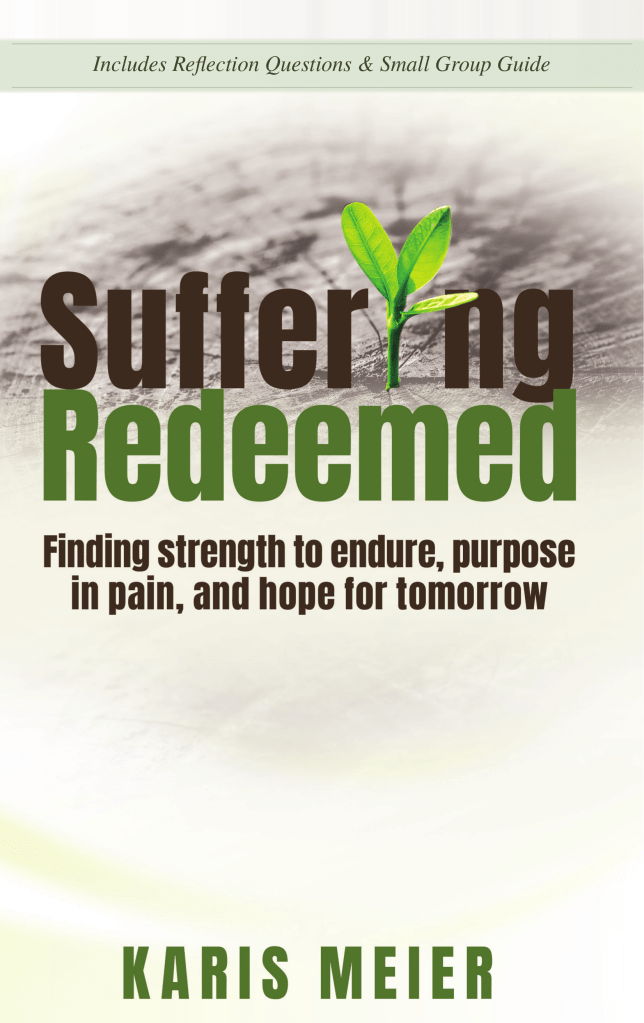
Hi, everyone. Welcome to the Life Insider Podcast with me, your host, Alex. Today, I have a very special guest, Karis Mayer. Karis is a author from Northern Virginia who is a devout Christian and has written a lot of books. And mainly, she’s coming on this podcast to share her life story and to share about how she’s dealt with chronic illness in her life. And this is what her book is about, and she’d like to share with everyone and with others who are potentially suffering from illnesses or have family members who are suffering with illnesses or even others who are interested and curious about how to deal with these issues in life. And today she’s here to share her story and to really help everyone. So please welcome Karis. Thank you for having me. Thanks so much for coming on. So obviously my introduction didn’t do you enough justice. So, would you like to introduce yourself? Sure. So, yeah, I currently live in Northern Virginia. I’m married to Ben, who is, he’s in the military and have four children. The youngest is two and oldest is 12, two girls and two boys. So, I have a full family and a life. We, being in the military, we move around quite a bit. So we’ve been in 17 years, we’ve moved 12 times. So we kind of have a very transitory lifestyle. But yeah, I kind of grew up all over the world. My parents are missionaries. So we kind of moved from Minnesota and lived overseas overseas in the philippines and singapore i lived in costa rica for a while so i had a diverse background and really loved that part of my life um and you know then i just i’m just going to do a brief synopsis of my education so i went to um my undergrad, I got in Christian education and spent some time teaching, but realized I really wanted to do counseling. So I ended up getting a master’s in, in counseling, um, but then started having kids. So, um, kind of put that on hold for a while, but, um, yeah, so that’s kind of where I’m at now. Well, I think it’s a very interesting and vivid journey for you and for others to be in michigan and minnesota going around the united states and then having such a huge change being brought to the philippines costa rica everywhere around the world so what was it like growing up never having a place i guess to really be solidified and staying and calling home yeah it was no it was definitely challenging um in some ways i think there are a lot of benefits from being able to learn how to be flexible. And actually it really prepared me for being a military wife. Um, little did I know at the time. Uh, so I enjoyed the, the diverse experiences I had, but it was as a kid, I remember having to leave friends, um, many times, you know, and just feeling quite sad about that and feeling some of the instability, not sure, you know, where we were going to go next, how long we were going to be there. So I think there were, there were definitely times where it, it was very challenging, um, as a kid, especially not really having any control, uh, not knowing, you know what was next in life but I will say it has really it really warmed me um learn how to relate to people because when you’re forced to make new friends and forced to be the new kid all the time in a new situation it really makes um it kind of develops you into a person that, um, has to learn how to reach out to people and, and be friendly. My mom always said, you know, if you want friends, you have to, you have to be friendly. And, uh, so I think I, I have so many positive memories of, of different experiences. And I think there’s any, you know, any, in any scenario, you can see the positive and the negative, and there definitely were, were difficult things but I think now that you know I’m past it I am I’m thankful to have those experiences and especially the cross-cultural experiences because it really opened my eyes to to seeing people um in different cultures and religions you know different actually in Singapore which was school that had over 65 different nationalities that attended and I just I loved it I loved uh different foods you know the people would bring in just I just remembered specifically like foods that different cultures would you know bring in for lunch and the different languages and um just having the mindset that you know everyone is different and it’s beautiful so I’m really thankful for that piece of growing up you know that even even though there was a lot of challenges it really made me who I am today I think that’s a really interesting point and it’s quite cool that you had that experience which a lot of people others might not have had but it’s also interesting because you came from a missionary family which is i guess you would have a certain orientation towards your religion which is christianity relative to others and you’re faced with people who might not believe that religion or who might not have the same views from a cultural perspective so how did you learn to stand up for what you believe in while also learning to respect others and understanding where they’re coming from or their cultural, um, uh, views or religions? That’s a good question. Yeah. I think it’s really important, um, to give people space to, you know, to, to share who they are and where they come from. You know, for me growing up, um, I think at first my faith was very much dependent on my parents. You know, I just, I went along with what they said and what they did and because I was a kid, you know, and it wasn’t until later on where I really chose, um, like I do believe that Jesus is a son of God and, and, you know, kind of made my faith my own. And I think a lot of people grow up kind of doing what their parents do to a certain extent. And, um, so for me, I did a lot of, it was just watching my parents respond to other people. And both of my parents were very good and still are very good, um, at sharing their own testimony of sharing their own perspectives on life, but then also being very open to listening to others and hearing, you know, where they’re coming from and how they grew up and so I think it’s a you know and if you’re going to be listened to you really need to listen to someone else I think that’s such a key thing because if we’re just so focused on sharing what we believe and this is you know my points it really the other person isn’t going to feel like they’re respected or that they’re cared for or that they’re really valued as a person. So, yeah, I think it’s just a relationship takes two sides, two people, two people listening. And if we’re really caring about that person, then we’re going to do what’s best for them and not just trying to, you know, push our point across. So, yeah. I think that’s amazing to, I guess, have that ability and those experiences to help you realize and reflect. So what are those principles and I guess teachings from your parents that you’ve taken in and has really helped you develop into who you are? And what are things that you’ve found out for yourself and you’ve really molded into your own vision and your views? Yeah, so I think for me, well, just something that the scriptures, the Bible, which is the book that as Christians we live by is there’s a verse that talks about seeking first God’s kingdom, his righteousness, and also loving God and loving people. And that’s, that is really the, um, you know, kind of what, what the priorities, I guess I would say that, that we live our lives by is how can I love God? How can I put him first in my life? And then how can I love other people? You know, how can I, there’s a, there’s a verse that Jesus says, you know, love, love your neighbor as you do yourself. self. And, and that’s hard. We love ourselves, you know, naturally feed ourselves and care for ourselves. Um, but if we are to love our neighbor and that doesn’t mean like physically your neighbor, but other people around you, um, love them as much as you love yourselves. And if we really did that, how different, you know, the world would be if we could love people to that extent. And, um, so yeah, my parents really, um, they lived their lives in such a way where it wasn’t all about them you know it wasn’t them trying to pursue money i mean they there’s a lot of times that we were very poor growing up because they lived on the support of other people they didn’t have really financial like they didn’t have um a stable income really so but they live their lives for other people and for god and so just watching them pour out their lives and and loving other people. I mean, we, we often had several other people live in our house, um, with us, you know, people usually was college students, um, who my parents were working with. And so I grew up with, um, just not, not really seen as like our lives are our own, you know, kind of, we were sharing our lives with other people. We were trying to reach out. Um, and that really helped me to, um, I think, especially in America, people can be very, um, the culture can be very, um, what’s the word isolating and, and people can just kind of draw into their own little clicks and stuff and family or whatever. But, uh, I, I, I saw the, the gift of, of, of hosting people, of, of bringing people into our lives. And that’s what my husband and I really try to do still, you know, is, um, have people over for dinner regularly, you know, invite our neighbors over and invite, invite people to, to live lives, to, to live life together. Um, so that’s, um, yeah, so I think my, my parents just provide an example really, um shaped the way that we want to run our lives i think maybe for most of people um going to university is a huge individual challenge that they tend to face on their own and they start to find their sense of self and their communities and who they are as a person and sometimes we don’t make the smartest decisions at university and so what was it like going to university and studying um christianity and studying how to help others and sticking to your religion when i guess universities get a reputation for fraternities sororities and massive amounts of alcohol consumption and a lot of sexual activities how did that coincide with your journey and figuring out who you were and what you valued well it’s interesting because i actually did go to a Christian university for the, for my freshman year. And, but I got, I got involved in a group that weren’t really, um, serious, I guess, about their faith and did a lot of got into kind of the party, the party scene some, which I had been some in high school. Also, I was kind of, I would guess, I would say it was kind of experimenting, you know, like, do I really, you know, do I want this? Do I not want this? Like, I know my parents are saying I shouldn’t do this. So I did some of that, um, kind of just some rebellious years, I guess I would say. Um, and so the first year, so for my freshman year, I, I, I mean, it wasn’t like really bad, but I definitely was not, um, I was not steadfast in my faith and I was not really following God, um, as I wanted to. And towards the end of the year, I just, I was feeling very empty. I was feeling like I was wasting my time. I felt like I was, um, not in a place where I was surrounded by people that, that were influencing me for good. And so, because I had chosen the wrong circle of friends, basically. Um, so I took a year off, um, went to a Bible school, Costa Rica and did, um, some mission work there and also did a lot of classes, learned Spanish, um, learned a lot about the Bible and really reignited my faith. Like that’s where I really kind of made it my own and realized this is really the life that I want to live is, is for God. And so I came back from that year and went to a different college and I played soccer in college. So I found a school that I could play soccer for. And then I went to three more years and was a different person. I think I, I kind of came into who I really wanted to be. And that, so that year I, or those three years were just very full and rich. And, um, yeah, I w I, I, I had a really good friends and I think that’s such a key thing because we’re going to really, you know, especially when you’re in those younger years, like you said, when you’re developing the people you’re around are really going to influence you um either for good or for bad uh and so yeah i think that’s just a key thing when you’re whether you realize it or not is um to pick the right people to be with in those years and i think that’s a interesting point that a lot of people especially who are younger or at university don’t tend to consider it’s very much self-centric it’s not much how can i surround myself and create the best environment. And I think there is an aspect of you need to be in environments that creates conflict and friction for yourself so that you realize your boundaries and know what you want. And it seems that that has happened for you. And then you tended to focus on creating communities or joining communities that share similar passions, views, or goals or ambitions to you. So do you feel that it was the pressure of those communities that kept you not in line but made you create the decisions you’ve made or do you feel that you actively searched out for those specific communities that would hold you accountable to what you wanted to pursue and was sort of a support system for you yeah i think i really was intentional about and still am intentional about seeking out people who can um who align you know with with what I, I mean, I mean, at least, at least within the, the, the more intimate circle of friendships, you know, is, is seeking out people who I want to learn from, who I respect, you know, who, um, who I can trust. And so I think it is a very intentional thing that we need to be aware of, um, at all times, I guess, in life. And it’s something I actually talk to my kids about a lot because I can literally see them with their, their friends and they will start saying the same things friends are saying. And so I, you know, I talked to them about that. You know, you have to be, you have to be aware of, of who you’re being with and, and they’re starting to see it themselves now. You know, like one of my daughters is like, I don’t want to be with this particular person anymore because I’m starting to act like her. And so it’s just interesting how even kids, you know, see it with kids quite easily because they’re very influenced by other people. And I think that it must have been a very difficult journey for a lot of people going through these developing years because you seek validation from others and seek acceptance and to really be felt part of a community or part of something. So how can younger people, based on your advice and your experiences, learn to seek that validation from themselves and make decisions of who they want to be with and make decisions where they end up hanging around people that are good for them and not just people who they believe would give them the most validation? yeah so i think it’s it’s important to know to know yourself to know ourselves right to um to believe and in that that you are you know we’re all so unique made right we’re all very different and i think especially i remember when i was young like i just wanted to be more like my friends like i wanted to be more like this person because she was you know cooler she was smarter or she, and, and just to embrace the, the uniqueness of, of who we each are, um, which I think is hard to do when you’re younger. I think as you get older, you start to embrace it more. At least I have, uh, but, but yeah, so to know yourself and also pursue what you really love, you know, whether, cause like you shared earlier about the, you know, the motivation for this show. I think it’s a lot of times we, we, we wouldn’t change who we are based on what the world says we should be or what we should pursue or, you know, what, uh, what the world says is good, you know, whether it be financial gain or whatever it be, you know, um, a particular position. Um, but, but to pursue what we really love and don’t let the expectations of others hold us back you know to or our own insecurities and i often tell my kids this you know like you gotta do hard things you don’t don’t just do what’s easy for you do hard things and grow from it you know do the things that that that you want to do that make you uncomfortable because the more you do them the more you’re going to grow and those things often hold us back because we, we feel like, oh, I’m not, I’m not good enough or, you know, I’m not equipped or I don’t have enough training, but that’s, that’s how we get there is by just going for it. So I think, I think the fear of failure often, uh, prevents us from doing what we love and, and And also just, you know, something I’ve been growing more into is thought life and the words we say, right? So a lot of times what we think and what we speak will become true in our lives. And when we have these negative thoughts about ourselves or about who we are or whatever, that is just going to continue to grow, you know? So if you think like, oh, I always, I always fail at this, you know, that then that’s going to grow. You’re not, you’re going to, you’re going to fail basically, you know, and the words that we say, whether about ourselves or about others are so powerful. And so, you know, I, I, something else that we often talk about with my kids is, you know, speak, speaking life, you know, and is, is what we say, is it necessary? Is it building up? Is it, is it, is it, is it good? Is it true? You know? And, um, so yeah, just our identity can so often get wrapped up in, in the negative things or, um, issue that we have versus, versus speaking, speaking, you know, things into our lives that are, that are, that are good and that um that are positive so anyways just having more growth mindset and just being really careful about what we are saying and so you did take a challenge and you said to get that training if you needed to do hard things and you made a transition into becoming counseling and taking a master’s in counseling so what was that transition like and how did you figure out counseling was for you and that you wanted to help people maybe not in converting their faith but more so in helping them figure out their lives and helping them be happier i knew i wanted to do counseling um actually before i went to college but i did not want to go for two extra years after college. So I kind of settled for Christian education, which was fine. But, um, you know, looking back, I probably should have just gone with what I really wanted to do. Um, and, and I think I had some, at that point I had some insecurities, like, I don’t know if I can really do this, you know? So I thought, well, it’s easier to relate with kids. For me, it was very natural. I did a lot of, um, I would, I had a lot of jobs in which I was relating with kids. And so that was familiar to me. I knew I could do it. It came easily. Um, but after working a year, teaching a year, I realized, um, that’s not really what I wanted to do. And so after a few years, I did push past the, you know, the resistance. Cause I also thought, well, if I spend all this money and go back to school, and then i can’t do counseling you know because it is there was a fear of you know that’s kind of a big deal to be um working with people who are kind of coming to a very vulnerable low places in life and i just you know i had some self-doubt like i don’t know if i can really do this um but i I was able to push past that. And after I got my degree and started doing it, I realized, yes, this is what I really do love. And I really do. My passion is really to help people who are hurting. And that’s what I can do as a counselor, you know, is do exactly that and people coming into people’s lives in a place where they are vulnerable and willing to listen and talk. And so it was kind of a process, a long process for me, but I made it through. and it’s very good that you made it through because you’re making an impact and helping people and you’ve even wrote in a book to help others on that journey and i think with counseling and any human related services in general empathy and sympathy are two main areas for consideration when someone looks to enter these fields and with yourself actually going through that experience of having a chronic chronic illness and having to deal with it how did that translate to helping you become a better counselor being able to learn to i guess see things from their perspective instead of just taking a theoretical approach of i think this is what you should do instead of this is what i’m doing and i can feel your pain and i understand where you’re coming from Yeah, it made a world of difference. I think, you know, when there’s a difference after you go through something, like for me, I had some years where I was so low, you know, I didn’t want to live anymore. I felt like life was just too hard, you know, and getting up every day was, was such a challenge. And, um, so being at places where, um, where it was, it was so despairing, I think, you know, I, I really, um, yeah, it, it, it just created such a, a deep compassion for people, You know, even though situations may be different, I think I reached points in my life, you know, that, you know, I talk about like hitting rock bottom, you know, and I did that happened for me. And, and so to be able just the, the, I think the, the patience and the gentleness that it created in me to be able to come to someone who is, who is really hurting and, and to know, and to have been in a similar place, you can’t really learn that through books. you can’t learn that in a degree you have to something that you have to experience and we all know we’ve talked to people like if we have a like if let’s say for example like if you had a miscarriage um if you talk to someone who’s also had a miscarriage it’s completely different than talking to someone who hasn’t you know because they know they’ve been there um they’ve gone through it. And so when we go through things that are difficult, it really opens up just channels of, of communication and comfort that we can have with other people. Um, whereas, whereas you have that, um, when you, when you haven’t suffered or gone through hardship in a particular area. Um, so I think, I think it’s, it’s, um, it’s been, even though, you know, it, it’s, it’s been a long, hard journey for me. I know. And I can see even now the, the gift of being able to help others. Um, because a lot of people come to me, a lot of people come to me when they’re in pain because they know I’ve been there. And so, which is, which I feel honored. I feel honored that I have that place where I can be with people in those low moments. I think it’s really brave of you to share that story and even write the book. And I think it takes two parts. The first part is to have a strong mind. And I think the best medicine for any illness, for any mental health condition is always the will to fight and the will to want to live. and the second is to have a strong support group and strong group of friends or family or something that helps you stay grounded and anchored to life itself so what was your support group like and how did they help you get through the challenges and what kept you so strong and brave to fight yeah i think i think you’re right it’s so important i um so i got sick shortly after my husband I got married we uh I had I’ve gone to Pakistan to visit my sister and um came back and started feeling sick and then um ended up had some very rare parasites that uh did a lot of damage internally and ended up affecting several organs and so I had several different organs start failing and so it was kind of a long a long road a long journey after that um of treatments and hospitals and being in and out of um a lot of difficult years so um so it was it was through that that I began seeking you know like what you know so I so I prayed I So as a, as a, as a Christian, I, I, I believe that God can heal and that he has healed. So I, at first, you know, I just started believing like God’s going to heal me and I’m going to get out of this. You know, it’s not going to last forever. Eventually I’ll get healthy again. But as things continued to be bad for years and years, I realized that something like I needed to change because in the beginning, I kept a lot of my pain to myself. I didn’t really share with other people how difficult things were. I didn’t want to be a burden to other people. And I didn’t want to complain. I thought, well, just tough it out. Like I can get through this. Um, which I was able to do to a certain point and then it was just too hard. And so, um, I started becoming more real in with my pain, which, which really actually was a blessing for me and for other people, because I was able to, um, allow other people into, into the pain and to receive support that I really needed. Um, so I think, I think sometimes when we’re in a, in a hard situation, you know, I don’t know, maybe people are different, but for me, it was, it was uncomfortable to, to share with people how difficult it was at the time, because, um, like I said, I didn’t want to be a burden. And, um, it’s also too, it was also kind of scary for me to admit how, how bad it really was. And, um, so there were, so that was about, I would say that was about seven years ago, I guess that I kind of made that switch to opening up myself more and, and having people kind of into, um, into the hardship with me, which, and also, and also for me, it was, it was being more honest with God. And, um, you know, there’s, there’s lots of scripture or some Psalms that are prayers about a lot of them just are like pouring out emotions to God like this is you know very difficult things and um so I really used that also as a way to express emotions that I didn’t know how to express myself I’d have the words to say and so that’s so then I did after that point my husband and you know I have two sisters and brother who are very very close very close to them and also just the community the church community that we’re a part of and with moving around so much was challenging because we always we had to find new community but but they’re very intentional to do that because we realized how much we do need each other we can’t just do life alone um and it’s important to have people to be there when we need them and also be there for other people when they when they need us and so that’s kind of how um that developed for me i think it’s really important to emphasize like you said people feel comfortable and feel more understood when someone else has gone through what they’ve gone through or something similar. And there’s that deep bond and connection through sadistically pain, which is quite unfortunate, or through certain emotions where we actually bond through these events. And so I can’t advocate having counselors go through chronic illnesses or depression before they become licensed. I think that’s not very practical. But what can they do to become a better support system or is there anything that the system should implement or change to really help out counselors to do a better job in serving those who are in need of help or looking for help or might feel awkward about sharing and talking about their vulnerabilities with counselors yeah so there’s uh you know really trying to put yourself in someone else’s shoes um really trying to understand where they’re coming from not just um giving answers you know but really I think as a counselor more of your more of our job is as counselors or even just people that are listening to someone else who are who is in pain is not to give advice not to give you know a list of things to do or not to do but to draw the other person out and to be a listening ear to be someone who, um, you know, a guide, yes, but, but someone more who is, who is coming under and, and lifting the other person up, you know, and a lot of times that just listening, that’s just not judging, not making, um, you know, I mean, I know there’s like, you know, a lot of times there’s, there’s discussion about making, um, diagnosis and, And, but, but, but not making that person into a, you know, a number of diagnosis, but, but really trying to understand the root of what is behind what is going on, you know, because such, we’re such complicated beings, right? I mean, there’s our bodies, which are so complex and, you know, one affects the other and our minds, our brains and, you know, our soul, the spirit and just there’s so many things and they’re all interconnected. And I have a chapter in my book about that, just attending to the whole person. You know, it’s so important for us to attend to the wholeness of who we are, you know, our emotions. And so I think sometimes we can be quite single-minded or have a tunnel vision when we have an issue. It’s just like trying to get that specific thing gone versus assessing and trying to explore the fullness and all the different aspects of that person, you know, because it’s more complicated than we think sometimes. And so with your book, Suffering Redeemed, I assume that you talk more about more holistic ways of managing suffering and understanding life and looking at it from different angles. So would you like to introduce more about your book and let the audience know what it’s about? Yeah, so the book is called Suffering Redeemed, Finding Strength to Endure Purpose in Pain and Hope for Tomorrow. and it’s you know when you’re in suffering I think oftentimes we ask a lot of questions you know like why me or like why do I have to go through all this pain you know what did I do to deserve this um you know how long is this gonna go how can I how can I make it through you know and so the book is really um I started writing the book five years ago but at the whole time i didn’t know i was writing it i was just i felt led to start writing um it was more for my personal uh therapy i guess you would say i was just i was processing the very difficult i was going through um and needing answers for so it was very personal for me um and then at the beginning of this year i realized i could actually this into a book and so um it’s it’s quite um it’s quite deep but i explore a lot of different things in it you know um some things like for me it was like learning learning how to suffer well learning how to live life um when the difficulties or the pain or the struggle doesn’t go away We have to learn to live with what we’re given, you know, not giving up, learning how to live in surrender, but also to keep up hope, to keep believing that we can keep going. And I think there’s also gifts that suffering can bring us, which I know sounds kind of counterintuitive, but I began to see a lot of things differently, you know, and see people differently and not take things for granted. You know, there’s a lot of gifts that pain and suffering can bring if we allow ourselves to see them. You know, and also there’s a chapter about living well, like what does it look like to live well when life is hard? You know, and so I talk about gratitude and just how important it is to practice, to practice gratitude and to learn how to enjoy, really enjoy the things of life that we can. And a lot of things maybe we can’t enjoy anymore with certain things, you know, whatever, whatever your issue is, but there’s a lot of things we can enjoy. And so, yeah, it’s not, it’s not a book of answers. I’m, I’m still personally, I’m still on this journey. And, but, but it’s, it’s written from a place of, of still being in a difficult situation, which I think, you know, had a lot of people tell me that there’s still things. I wrote it, you know, cause I, I, it would have been easier to, to have written it after I was out, you know, after I was completely well and feeling good and healthy. And, um, but I’m, I still struggle, you know, I still struggle every day. And, um, but I, I feel a lot more equipped and, um, hopeful and, you know, I’ve just, I’ve grown so much over the years. And so it’s, it’s a blessing to be able to, to share that, to share that with other people who are going through it, whatever they’re going through. So that’s kind of a little bit about the book. It’s on Amazon. So I think it’s quite amazing that it was a healing process for yourself yet also a record achievement for yourself to show yourself you can do and to show others that it’s possible and that there’s always ways of overcoming another interesting thing that i find is that the philosophy behind the idea of suffering is very much i guess not a western mentality but more of an eastern mentality with buddhism with uh well i guess with the ancient greeks with stoicism the idea of for those who don’t understand what that is it’s a philosophy of detaching yourself from things that can’t be controlled and regulating your emotions to really be able to understand and control yourself and so where do you think you found your inspiration from it finding these ideas and thoughts of dealing with suffering in a positive light instead of a negative one? And secondly, in which chapter of your book, which coincides with your real life, did you actually start feeling better and starting to feel comfortable with yourself and starting to have that mentality shift? Yeah. So as far as onto the last question first, I don’t think there was a specific time. I think it was really a process for me that I kind of came into. Um, it was probably over years, you know, I, and I think I’m still, I’m still on that. I, you know, looking back, I, I’m, um, it’s, it’s encouraging for me to see the progress and, and how much more I feel comfortable with who I am. I mean, I remember as a kid, I was very, very introverted, um, very afraid to talk. And I was between two sisters who were very outgoing. and so as a young kid I always felt like I didn’t have a voice and I was very ashamed of my personality I was I didn’t you know I was I always wanted to be the one who was more outgoing and who had a lot of friends but that just that wasn’t my personality and I think let that kind of shape um shape a lot of insecurities in me and what I believed about myself and so So it was, yeah, it was, it was a, you know, it’s just been a long process, I think, of realizing and recognizing how many negative perspectives and viewpoints and thoughts I was having about myself. Um, and, and taking a lot of time to really change those thoughts because those really deep ingrained things we believe are about ourselves, you know, um, it takes a while for us to shift in our mindsets. Um, so that, that’s just been a process. Um, but I think what you shared about the Eastern, the Western views on, on suffering is, is really, really important because, you know, different cultures view suffering differently and give different explanations and tools, actually, you know, for how to view suffering. And for the Western culture, you know, it seems like, you know, there’s not very, there’s not much help. It’s like, if you’re suffering, well, that’s too bad for you. You better try to find a way to get out of it. Whereas other cultures, other religions, you know, do do have a very meaningful suffering is very meaningful and can be beautiful it can it can bring good um and so for me yeah as a christian and as the bible as kind of the guide i mean the bible talks a lot about suffering actually and you know it says we will have trouble in this world. Um, so, but to be hard, um, and there’s, there’s a lot of, of, of verses about how we can still have joy. We can still, um, have life, good life, abundant life in the midst of suffering because, um, because this is not the end. This world is not, um, this is not where it ends. And so there’s just, there’s a lot of hopeful promises and just having a more eternal perspective, you know, because I think having faith in something above and beyond who we are in ourselves and, you know, the many difficult things in this world that are going on is important, you know. And I know it’s different for different people, but it’s important that we know what we believe and we are pursuing that. So do you feel like it’s actually a sense of being, a sense of purpose and an attachment to something greater than ourselves that leads that hope? Or is it a self-internalized process of realizing something and formulating that belief on your own and then attaching value or meaning to that belief? I think, you know, it could be either, depending on the person’s experience. For me, personally, it was really kind of into, like, pouring myself fully into what I really do believe is true. And that is that, um, you know, God created the universe and, and has a purpose for each person, um, that it’s not, life is not meaningless and random, but that, um, we do have a purpose and, and so everything, everything that happens then and each day that, that we’re given has a lot of meaning, has a lot of value. And, you know, we can choose, I can choose how to respond to the, to the things in life. I can choose, um, you know, I mean, there’s, there’s some things we can’t control, right? All of us, we could, we don’t have control over them. And so, but, but we are given mind and the, the will to, to think about it in a certain way and then, and then choose how to respond. And so I think that’s just, that’s a gift we all have and how we, how we use it will really depend on, you know, will really influence how our life goes. And so I don’t know if I answered your question. Okay. But that’s, that’s kind of from my perspective. No, I think it’s amazing. And it seems to me throughout your life, it’s been a journey of finding yourself being insecure and going through comparisons, not knowing where you are, who you are, to slowly developing that character through, unfortunately, through suffering in some sense, but also through a beautiful marriage, having children and building out your own life. And I think the belief that there is a God that loves you and has your back and cares for you and having a community that also believes that and loves you led to you being able to have that love for yourself. And I think it’s a beautiful thing. And so for those who are struggling, who might not be religious or are in a position where, like you said, are in a Western mentality, you have to earn your own right to have a will to have happiness and to overcome suffering. How can they learn to cope and find people who care about them and love them and to slowly develop their love for themselves? so i think first it’s um it is important to uh give yourself room um to be human you know to to just accept your you know the weakness the you know that i think sometimes we can put so pressure on ourselves and not really give ourselves room to, to, to, to have, to have difficulties, you know, to have weaknesses and to, um, go through things that are really difficult. And so, yeah, it’s, it’s important to allow the, the freedom to, to be broken. And, and, you know, like I learned, like, it’s okay to not be okay all the time. You know, a lot of people, when we ask people, you know, how are you doing today? I’m fine. I’m good. You know? And you know, I, I said that many times when I wasn’t really doing good, when I wasn’t doing fine, because, you know, what if I say I’m not doing good, then how are they going to respond? You know? So I think there’s, there’s, there’s a place where you have to come and just accept, Like, it’s okay. It’s okay to be broken and to recognize it. That’s, that’s really where it starts. Um, and finding people and there are people out there, right? There, there are a lot of really loving people in the world and, um, who want to help you. You know, like I said, I, I felt like I was going to be a burden to people, but when people, when I, when I opened up, they actually thanked me, they were like, thank you for sharing with me so that I can be here with you, you know? And so that’s just something else is to recognize that, that people want to be there. People, people care about you and, and, um, but, but they’re not going to know how to help you unless you tell them. they’re not going to know, um, that you need help unless share that with them. And so finding those people and, um, and staying with them and, and being vulnerable with them, wherever that community, wherever that, you know, wherever that group is for you. Um, and then, and then finding purpose. I think when, when you’re in a, whether it be depression or an illness or, um, grieving or someone, I, you know, we can, life can kind of lose purpose and lose the value. Like I just said earlier, some days I felt, um, like there wasn’t any reason, you know, like why, how am I going to live this day when, when the difficulty so much outweighs the good. it’s that’s how it felt um and for me that was finding purpose in and in god you know and finding like um purpose in loving other people and find purpose in raising four children who i was not supposed to have you know i wasn’t they told me i would never have kids and i have four miracles. I have kids. I’m so thankful that they are often the, the purpose, you know, the, I know they need me every day. So I get up and, and I pour love into them. And so, um, finding something that, that is meaningful and that brings life, that is life giving. And also that it’s the warning to other people, because I think in, in suffering, you can become very self-focused unless you are careful, unless you find those opportunities to reach back out outside of yourself, even in the midst of, of your brokenness and your pain. And, and that’s what I had to do. You know, I kept for a while, I kept thinking, well, after I’m better, you know, then, then I’ll be more effective because I’ll be, I’ll be, you know, I’ll have more answers and, um, I’ll be in a better place, but that’s not really true. It’s, um, we’re all broken in some ways. We’re all in, you know, we’re all imperfect and we’re all on a journey at some place. And so we just have to jump in. And we’re running out of time now. So we’ll ask the final question, which we ask everyone. It’s been a pleasure having you. And I’m so grateful that you’ve come on. And I hope that for the listeners out there, you can take purpose and meaning from what Karis has to say. And I am also a firm believer that life without weight is meaningless. And what I mean by that is it’s the bags we carry. It’s the weight we put in those bags and the responsibilities that we fill those bags up with that really make us the people we are and make us who we are, what we are, why we are and it drives us forward so i’m very grateful to have met someone with that similar perspective as well but enough chit chat here’s the final question so it’s quite complex and a lot of people have trouble answering this so feel please feel free to take some time and not feel pressure into answering this um and something i don’t know the answer to myself so the first question is what is happiness and the second question is what makes you happy those are good questions. I like them. Um, happiness. So I know I already shared this, but I, um, I have, so when we, my husband and I often talk about this because marriage is, is not always easy. And I think in marriage, you find out pretty quickly that you really, um, you really need to learn how to love the other person well, if you’re going to be happy and to pursue the other person’s happiness for the marriage to be good, you know? And I, I think we’ve both experienced that in marriages and we’re pursuing our own happiness. Uh, it just doesn’t work as well. And we both don’t, um, feel content. We don’t, it doesn’t really bring, um, happiness to the marriage, I guess. But when we pursue the other person’s happiness, it, it’s, there’s, there’s such a joy. There’s such a, uh, it’s very fulfilling. Um, it feels like we’re a team. And so I would say that, that, that really is a picture of, of even the bigger aspect of, of happiness and life is, um, is not, it’s not a self, it’s not a self pursuit. It’s, it’s, uh, it’s, it’s so much bigger than, than myself. So if I just try to do fine things that make me happy for a little while, but then don’t last, um, it’s a very like rollercoaster ride up and down, happy, not happy. But, um, when I, when I seek to love God and to seek other people, seek to love other people first, I’ve really found that I, I’m more happy. I’m more, um, content, um, because my focus is not on myself. It’s not all about me. Um, and I’m not saying that that’s easy, but it really, it really is so much more fulfilling, um, than, than just trying to seek it for what is temporary very happiness, I guess. Well, thank you very much for coming on the podcast. And for all the listeners out there, if you’d like to come on the podcast, please feel free. We do not look at your titles. We don’t look at your job description. We don’t care what you’ve done. It’s all about who you are as a person. And if you have a platform or a message that you’d like to share with others and you feel like you could make an impact for others, or you just want this as a memento to listen back in a few years, please feel free to come on and message me. So thank you very much, Karis, for coming on again. And thank you to the listeners for listening.