How to Suffer Well
Host: Ann Taylor McNiece, LMFT
Date: Jan 25, 2023
Listen on: Soul Grit
Themes: Mental & Emotional Health · Practical Resilience · Faith & Doubt
Format: Has Transcript
Featured quote
There is a way to suffer well — and it begins with honesty, faith, and community.
— Karis Meier, on Soul Grit with Ann Taylor McNiece, LMFT
About this episode
- Practical guidance on ‘suffering well’.
- The intersection of mental health and faith in suffering.
- How a licensed therapist host draws out the counseling side of Karis’s expertise.
- Karis’s own MA in Counseling informs her perspective.
Highlights
Suffering Well
There is a way to suffer well — and it begins with honesty, faith, and community.
What makes this unique
Host is a Licensed Marriage and Family Therapist (LMFT). This episode bridges faith and clinical mental health — ideal for reaching listeners who want both spiritual and psychological perspectives.
Full transcript
Read the full transcript
Transcript source: Whisper (large-v3, cleaned).
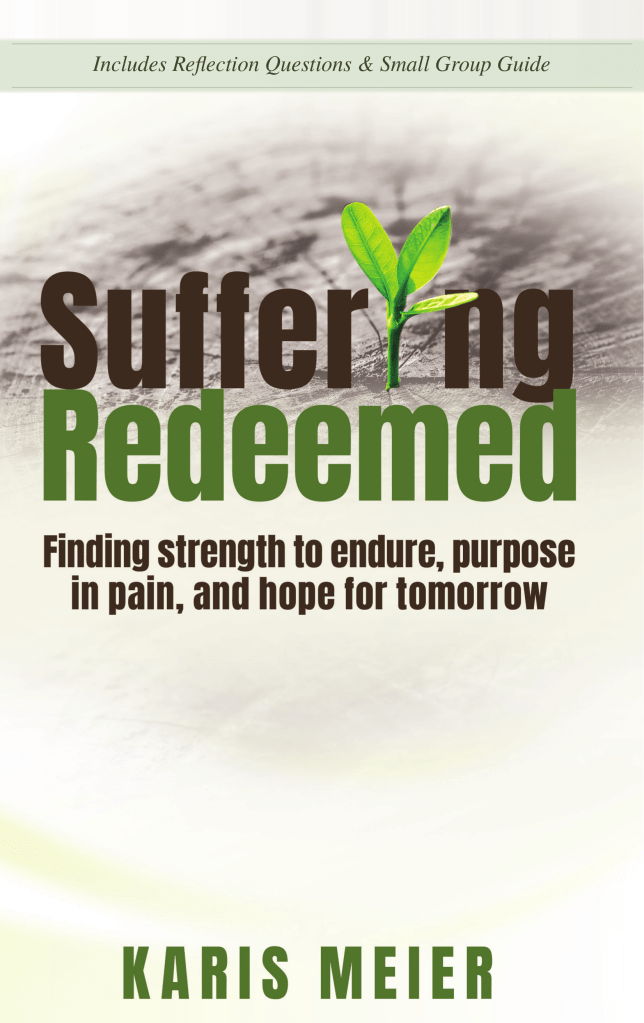
Welcome to the Soul Grit Podcast. I’m Anne Taylor McNeice, and I’m a licensed marriage and family therapist. I also love Jesus, and I’m passionate about all things gospel and therapy. I created Soul Grit to be at the intersection of mental health and Christian faith. Christ followers need a place to ask questions and get answers about mental health. Join me as we dive into real stories and real questions from people who want to honor God with their hearts, souls, and minds. Hi, and welcome back to the Soul Grip Podcast. This is Anne, and I’m here with my new friend, Karis Meier. Hi, Karis. Hi. Karis is with us today because she has a lot to say about her own experience with suffering, and I asked her to talk to us today about suffering, both on a physical, mental, and spiritual health perspective, and she’s been putting out a lot of good content in that area. And so she’s going to just talk us through what God has to say about that and a little bit of her own experience. So, Karis, would you mind just telling us, why are you an expert in suffering right now? Sure. Yeah, so just a little background on me. I grew up in a Christian home. My parents are missionaries, so we moved around quite a bit growing up. Um, I spent my school and college years in Minnesota and then married my husband who happened to be in the military. Our first duty station was Alaska, which is so funny because I really do not like cold weather. So going from Minnesota to Alaska was, I was like, how can it get worse than Minnesota? But anyways, God has his, you know, it’s kind of interesting. He’s, he’s, he’s humor, I guess I would say. so um on our honeymoon though I started getting sick and at first the doctors were like oh you’re just you know nerves you’re a new wife you’re in the military now and um but time went by and I continued to lose weight I continued to um just become more and more um just exhausted and having more symptoms and ended up several months later found out that I had parasites that I had picked up in Pakistan several months earlier. And, um, so went through several treats treatments to get rid of those. Um, and I thought, okay, well, I should start feeling better soon, but days went by weeks went by months went by and I never returned to my normal. I mean, I had been very athletic and healthy growing up, never had any major health things. So this was very new to all of a sudden be in a body that just wasn’t functioning. I couldn’t eat normally. I was fatigued all the time. Just started having, you know, different things go wrong. I had heart problems and then kidney problems and then pancreas problems. And just a lot of, it just kind of did this kind of effect throughout my body. And the doctors told us we wouldn’t be able to have kids. And by God’s grace, he blessed us with four children through the years. But it was, yeah, it’s just been a long journey with a lot of struggle. Like you said, not only physically, but it really challenged me spiritually to really have to dig into a lot of why questions. I knew the Bible very well, but all of a sudden it became a lot more personal and a lot more doubts rose up as I, you know, just looked in my own life and then looked at the Bible and I said, God, what, you know, something is not adding up right now. And, um, and also mentally, I really, I had to struggle quite a bit with, um, you know, just anxiety over, you know, what’s going to go wrong next. Um, and depression too, just really struggling with, with feeling like it was too much and I couldn’t handle, um, one more thing to go wrong. So about five years ago, um, I really felt like Lord just put it on my heart to start writing. And at that time it was a very, probably one of the lowest points, honestly, of my whole life. And so I felt like I had nothing to offer. I felt like, um, the calling was completely off, you know, like God, what, what do I have to write about that is in any way redemptive that it, that could, that it could help anyone. And so, but I was obedient after a few weeks of procrastinating, I started just writing, just, just more of my, like a personal, um, reflection and just struggling and questions and prayer, you know, towards God and, um, just writing about verses that he was giving me and what he was showing me through them. And then I started a group, um, on Facebook with different people that I knew. Cause I think once people knew that I was struggling, a lot of people would start coming to me, um, with, with their pain naturally. And then, so that was, that was the start. And then I started a blog and then ended up, um, writing a book this, this last year. And so, yeah, I think, you know, and like I said before, you know, when we were chatting, I, it’s not something that I’m like, oh, I’m better now. And I have all this great insight to give people, you know, I’m still in, in it like every day, like today, especially as one of the days where it’s just harder. Like some days are just, are just a struggle. Everything feels like a struggle, you know, it just, everything’s more difficult. And so sometimes it’s, you know, to, to continue to trust God and to believe in his goodness and to, to continue to, um, you know, kind of like keep walking the walk of faith and, and sharing with others when you’re still in the, in the battle, it’s, it’s hard. And yet that’s what I feel like God’s called me to do because a lot of, you know, it’s easy to look back on something and say, oh, I’m great now, you know, and have this great testimony, but to be able to still have a testimony, I think, you know, God, that’s what God wants from us. That’s, that’s where our faith grows. And so that’s, that’s what I’m trying to practice. Yeah. Yeah. I think it’s when people hear that I had a stroke two months ago, they say, well, God is really going to use this like for with your clients or you just don’t know how God is going to use this and that’s great and I have faith that he will but sometimes you kind of wonder like am I going to just continually be walking through this with people or is there another side to this and it sounds like in your story God has just called you to continue to walk this painful path and then others are coming along with you and you’re showing them a way to honor God while you’re in that pain, right? Yes. Yeah. So I’m wondering, can you give us just a brief theology of suffering? I mean, and I don’t mean you’ve got to get fancy like you have, you went to seminary or anything like that. I just mean like, what are some of the verses and ideas or concepts that have helped you understand why, why you as a believer, as a Christian have suffering in your life at all? Yeah, it is. I think it is one of the most challenging, um, what like, uh, questions that we as believers and even, you know, a lot of people turn away from God because they can’t reconcile evil or the suffering of this world with, with a good God. And, and so I think it’s a very, and until I think we, we, we’re put in that situation to really, um, experience it ourself, um, just the, we have to make the theology our own, right? I think sometimes we’re, we, and I write about this in my book too. I’m like, we have to become theologians ourselves so that we, um, when, when this, when these things hit us, you know, when suffering comes that we’re prepared. And I’m so thankful that I did have a foundation of truth in the word. And I had a lot of verses memorized, but I don’t think it was until, you know, I was in those very, you know, desperate places of despair and, you know, just kind of at the end of myself, like God really had to bring me to the end of myself to be able to dig deep. And I think, you know, suffering can really be a catalyst to draw us towards God. If we respond, you know, if we respond to him and open up ourselves, because it can also turn us away from God, you know, a lot of people do turn away from God. But I think one of the themes throughout the whole Bible and in, you know, just with suffering is, is that this world is not our home, right? I mean, God wants us to, to be preparing for the eternal life that is, that is now. I mean, Jesus, I mean, Jesus said that this is eternal life. If I may know you, the only true God and Jesus Christ whom you have sent. So I, I think, you know, our eternal life with Jesus starts now in relationship to him, but, and Jesus brought the kingdom, but the fulfillment of the kingdom is not yet. And so one of the chapters of my book is called already not yet. And just this tension that we live in that, you know, already Jesus has come already. He has, you know, died for our sins. He’s risen to life. He has gone to be with a father. We have, we have reconciliation with god now um and we have the holy spirit but we don’t have the there’s still a lot of not yet that we are living with in a world that is broken that is still um you know it’s it’s still in the realm where satan is running free and you know there’s there’s a lot of um, evil that is still, you know, where we still live, have to have to live with our sin and the sin of other people. Um, and so suffering is going to continue until, until Jesus returns. And so I think, but I think that that tension of the, you know, believing and continuing to stand on the truth and not letting our experience, like our experience dictate God’s word in the Bible, but, but letting, you know, continuing to believe the truth and his promises, all the promises that he gives in the midst of suffering, you know, are so, there’s so many good promises of God being with us. Like he will, he doesn’t always deliver us, but he is always with us. And so that’s, that’s one of the things that I, that I just always come back to, you know, where he says like, I’m, I’m a very, he’s a very present help in our time of need. And so just that um that that foundation that we have to live by and knowing that he is very present and um i know you said a couple verses one of the thing one of the verses that i’ve often thought of is second corinthians 4 16 to 17 you know so though we do not lose heart though our outer self is wasting away yet inwardly we are being renewed day by day for this light momentary affliction is preparing for us an eternal weight of glory beyond comparison. And I think, you know, when it says light and momentary, sometimes I feel like that’s, it feels so much more than light and momentary. You know, for me, it’s been 18 years now of what feels like a lifetime of living in a broken body. And yet in the perspective of eternity, it is light and momentary. And And, and I do, and I can honestly say that, that the suffering that I have endured, and I, I, I say, you know, suffering, it’s, there’s such a huge, I know my suffering is so much less than a lot of the world. There’s so much more suffering that is, that is, that is deeper than, than what I’ve gone through. But I think Jesus, you know, as a, as someone who has gone through suffering, just, it’s so beautiful that that we can bring whatever suffering we have big or small and it brings us to a a relationship a communion with him a fellowship with him you know the fellowship of suffering that he has already endured and it really does create this bond and um and the comfort you know to know that we have a god who has gone through everything and more for us and endured the worst possible suffering. And yet for the joy set before him, he endured the cross. And so we too, you know, it’s not like he’s, you know, he’s a God who’s just like aloof and, you know, he did it. And so I just, I think the last thing I’ll say about the theology of suffering is just about the joy, the theme of joy, um, in suffering that, that we have as a, I would say it’s something that one of the things I’ve struggled with the most, cause I, I feel when, especially when Paul, um, talks so much about, you know, having pure joy, you know, in every trial, um, I, I, I’ve, I’ve struggled with that quite a bit because I don’t, I don’t naturally feel that pure joy. And yet it’s something that I have felt at times just come at the right time, at the right moment, and not like a carefree, like, oh, everything’s happy, but just the deep, just the foundational kind of unshakable joy that only God can bring, no matter what the circumstances is. And honestly, I mean, I don’t know where I would be with the Lord if I hadn’t gone through this. You know, I don’t think it takes horrible circumstances for us to cultivate an intimate relationship with Jesus. But I do think that when things are stripped of us that we might hold on to more tightly, you know, I mean, like more temporal things that we really find what is best and that is Jesus. And I think it is often through suffering or struggle or losing something that, um, we get to really find the treasure that, that Jesus is. And so I, I have seen that in my own life. Um, and I think I know God can use anything. You know, I don’t, I would say, I don’t think God ever would punish us or want suffering on us. Cause he, you know, that’s not who he is. That’s not his character. And yet he can use anything that is for evil. You know, he can use it for good in our lives. And so we have to trust, we have to trust that that’s what he is doing when we are submitting the suffering and when we’re submitting our pain to him, that he will turn it around somehow. Yeah. of modern psychology. We get supercharged healing, change, and growth in counseling. As a Christian therapist, however, I realize that there are many practitioners out there who are personally Christians but don’t know how to integrate their faith into their counseling practices. That’s why I created the e-course, Faith Integration for Therapists. In this premium five-module course, therapists who love Jesus will learn everything from understanding their calling to marketing their practices to Christians, to adapting evidence-based interventions to honor our faith. You can learn more about the online course at http://www.soulgritresources.com slash courses and send an email to info at soulgritresources.com to receive a discount code. I’ve actually said that before that I’ve like read someone’s work before they went through a trauma or a period of suffering. And then after, and then the work that they produce, just because there’s that depth that they’ve gone to a deeper place with God, they’ve been stripped down of other things. And now what’s coming out of them is just so much more powerful, deep, like moving work. And so I’ve wrestled with that, with God saying, I really want to do this excellent work in the world you know but i don’t want to suffer that much god you know and so there’s that push pull and obviously he’s sovereign and in control about how much that happens and yet like we still wrestle in our spirits of how much are we going to submit to the process that he’s taking us through, right? Yes. Yes. Did it, did you always use the word suffer or was that a word that you had to kind of wrap your mind around? Yeah, no, I definitely did not always use suffer for the first, I would say probably eight to 10 years. I, I really tried to handle everything. I say handle, I kind of, um, put on a happy face and tried to just, um, minimize, you know, not really talk about what was going on for me physically and was able to do that pretty well. Cause I naturally am a more, um, like I process things internally more. So for me, it was, I just kind of kept it to myself and I didn’t want to be a bother to other people. I didn’t want to complain. You know, um, my, my husband was, um, in a position where he was deploying a lot. So even for him, I was like, I’m not going to add more trouble for him. So, so yeah, for many years, I, um, I just, I think I kind of tried to, yeah, I guess what I said, handle it myself, which is not a, not a great thing to do. Um, and it got, I think it got bad enough where I realized I can’t do this anymore you know I was falling apart inside trying to hold it all together outside and also even with my relationship with God I think I was trying to be strong I was trying to I didn’t want to in any way dishonor him or even in my prayer my prayer life you know I it was really the psalms that that helped me kind of be more honest with God just seeing how much the psalmist just really are very, you know, and a lot of, a lot of times are just very honest to a point where it almost felt to me, like, how could you say that to God? You know, like how long ago, Lord, like, are you watching, you know, like just some of these things that just seem kind of seemed to me kind of disrespectful. And yet as the more I got to know the Psalms, I realized, you know, these, these people were so deep with the Lord that they, they shared with him first and they shared with him everything i mean god knows our hearts anyway so it’s not like we can hide what’s going on but um it was really through the psalms that helped me learn to express um you know just the grief and the sorrow and the struggle um and also to able to accept the fact that yeah i am i am suffering it might look different and i think because I had, you know, the history of, of being overseas, some and seeing people who are really, really suffering. I think I kind of minimized what I was going through. Cause I’m like, well, I’m, I have food, I have clothing. I’m, you know, I, we have doctors, but so yeah, I think through time though, I realized that that God, that God is so he’s such a compassionate and patient and loving father and he wants to know he wants us to come to him first and no matter what state we’re in um and also just for me emotionally and mentally to be able to open up to other people especially like my husband and people closer my family to be able to be honest about how i was really doing you know and there was a point you know where i was i was struggling to feel like, you know, it felt too hard to live. Um, it felt like every day was so much of a battle. Um, and so when I was able to share that with my husband, you know, just being able to have his support and, and have somebody else with me was, I was like, oh my gosh, it is such a relief to be able to share that and not to just hold it in. And so, um, it was definitely a process for me of learning how to let other people in, how to let God in, and to realize that I wasn’t as strong as I thought I could be. And that that’s not a bad thing. It’s not a bad thing to admit our weakness because we are weak. I am weak. And we’re created for community. We’re created to share each other’s burdens. Right. And you mentioned to me that you studied for your master’s in counseling. So I know you have a little bit of a similar background that I do. And I wonder if you could just kind of take us through the mental health journey that you’ve been on as a person with a chronic illness. Sure. Yeah, I think, I mean, ever since I was young. I always had a heart for helping people. I always had just a lot of compassion for people who were suffering and struggling. I had a lot of just discernment to know when people were, I could just tell they were sad just by looking at them or just how they were talking. And so I think it was something that was always very, I was just always very aware of other people’s pain. And so when I started struggling myself, it was kind of interesting because I, I always, um, I never thought I would be, you know, I, I, I got sick before I, I ended up going to get my master’s, but it really kind of shifted a lot of things for me to, to kind of be in this place where I felt, um, yeah, I, I struggled a lot more mentally and emotionally than I ever had and realizing, um, how much, how much it, it, it, uh, what a blessing it is, I guess, to have, um, someone to come to and to go to. And, um, so after, after I, I got my master’s and I was doing some counseling, I, in a lot of ways, I think it was through my own suffering that gave me just a lot more perspective in being able to listen to other people and to not make judgments, to not make, I don’t know, after being so broken myself and the humility that I kind of was forced upon me in some ways, you know, I think it really developed a lot of empathy and just compassion for other people. But then to go, I think part of what I shared earlier, why it was hard for me to, to open up to, to other people was that I kind of felt like, well, I should be the one, I should be the expert. So why, you know, I, I, I thought like, since I have the knowledge, I should be able to just kind of get through this and not, not have to you know expose it to everyone else or not everyone else but even to um you know my friends or whatever but I that’s it’s not the that’s not the case and um even though you were probably told in your program you need to go get counseling for yourself if you’re going to be a counselor yes yes yes and I had I actually had but I don’t think I was completely probably completely honest about, you know, it was probably more like just doing it, doing it. Cause I had to check it off the boxes. And so, yeah, for me to be in a place where, like I said, I had, I hit rock bottom a few times and, you know, was, was really, um, yeah, just incomplete, felt like completely out of control for me. Um, and to be experiencing bouts of depression and, and anxiety, you know, having panic attacks and, you know, just in a lot of it was revolving my health because I had a lot of heart issues. And so then I would start feeling my heart, you know, my heart palpitations and the, and then how, you know, so it was, it was this cycle of, of, you know, spiritual and emotional and mental and physical that, you know, we’re just created so complexly. Sometimes I was just like, Lord, what, you know, like what, what is causing what right now? Because it just, sometimes it’s not clear. Sometimes it can, our physical manifestations can be coming from something that is, that is mental or emotional or physical, you know, it’s just it’s um it’s not always clear and it’s it’s doesn’t all line up neatly which is why um i also wrote a chapter just about um yeah like just being holistic care and you know just caring for our you know spiritual and emotional and physical needs and how do we do that like what does that look like because i think when we have one issue we often just hit it with one perspective and try to get it at you know one angle and um that’s not how we’re created that’s not it’s it’s i mean sometimes sometimes it’s very you know maybe it’s just one problem that’s very easy to fix um but in my experience it’s it’s usually more complicated than that so well i think it’s just it’s given me a bigger yeah go ahead yeah even if you just broke your leg or something it you know that that’s a physical problem. But what it does is it immobilizes you from doing all the other things that you normally do in your life. And then the fact that you’re not seeing the people that you normally see and having the same levels of productivity that you normally do, or just being able to get your own self in the car into the grocery store versus relying on someone else, like those all have emotional impacts. And so once you start suffering those emotional impact of the broken leg or whatever it is, then that starts to add up into more like anxiety and depression. And like, it’s all, it’s like what you said, is it chicken or egg? Like, were the emotional problems caused because I have chronic health problems or are some of the symptoms that I’m feeling in my body because I’m panicking, you know, like, but it’s hard to know. You have to treat both at the same time. Yes. Yes. And I just was going to add to that too. I think, um, a lot of times there’s, especially I think as Christians, um, there can be a lot of shame attached. I know for me, I know that I believe that God can heal and, you know, I’ve prayed so many times for healing and people have prayed for me for healing and I have faith and yet it hasn’t happened. And so I think whether it be, you know, whatever, whichever part of, you know, whether it be mental or physical, or if there’s just circumstantial issues going on, we can, and if it’s, if it goes on for a long time, especially there can be a lot of shame attached to that, where we start to question, like, what am I doing wrong? You know, is there, you know, is there sin in my life? Is, am I being punished for something? And, and a lot of lies that can start to root into our hearts that, that, um, that I’ve, that I have to continually just kind of fight off. And, and I think people, other people too, like in wanting to help you get out of your situation will often ask questions, you know, uh, or make comments trying to be helpful, but oftentimes it, it only triggers more shame or guilt or confusion about what your situation is. And, um, so it’s just, I have found that to be, um, something that is very tricky, um, because, you know, it’s, I, I, on one hand, I like, I know other people are, are, are wanting to help and our natural human reaction is to try to get people out of suffering and to help people, but it doesn’t always work. Doesn’t always come across that way. Do you have any tips for people that want to walk alongside someone who is suffering? I think one of the most important things is just try to gain understanding. I think listening and just trying to understand where they’re at and what their situation is speaks so much to a person, no matter what the situation may be. I, I, I did the last chapter of my book. I actually wrote, um, it’s called for the loved ones. Cause I’ve had a lot of people ask me that question. And I give the example of Job’s friends who for the first seven days did a really good job. I mean, they just sat with Job and they grieved with him and they didn’t speak. They just sat with him. And I think that’s just a beautiful, and then they didn’t do so well after that, but it’s, it’s, there’s just something to being with a person, um, you know, just the presence of having someone else. Um, because I think a lot of, at least in my experience, a lot of people are uncomfortable with suffering. And so they kind of try to stay away or kind of tiptoe and try to, you know, they don’t know what to say. They don’t know. And so it ends up kind of feeling like more rejection when, um, you know, when that happens and so I think just the power of presence and being with someone is it’s probably one of the best things yeah I’ve been surprised a little bit in my recovery because there are people that have just like come out of the woodwork that you didn’t expect would want to come and help out and then there have been people that you thought would be there that just kind of like radio silence and so i think um i try not to take any of that very personally it seems like there’s some people that are like really drawn to suffering and to need and they have like that compassionate part of their personality where they just want to jump in when they see that and then like you said others that are just like i’m not sure what i’m supposed to do so i’m here if you need me but they’re not gonna like insert themselves you know it’s been really interesting and just trying not to read anything into like what does that mean for a friendship or something like that because it’s just like we don’t know people don’t know what to do i don’t do it well for other people and so it’s just uh something you can’t perfect until you’ve done it a lot i think that’s true that’s true yeah yeah interesting can you tell us a little bit more are you still running the facebook group yeah so the the facebook group um is called it’s called suffering well um and then i started a blog which is on my website um that’s i started that a few years ago now um but so the facebook group is more just you know just it’s a for people just kind of share and encourage and kind of a place to come together um and yeah it’s been a it’s been a good way to just to I think you know a lot of times especially in suffering you can feel very alone and even if it’s not the same um, just, uh, having the companionship and knowing you’re not alone is huge. So, yeah. Yeah. And then what’s the name of your book? So the name of my book is suffering redeemed, finding strength to endure purpose in pain and hope for tomorrow. Okay. And where can people find that? It’s on Amazon. You can also find it on my, my website is Karis Meier.com. So she’s my first and last name. Um, and my blog is on there and some other things too. So. Great. And then are you doing social media stuff too? Yeah, I’m on Facebook and Instagram. Um, Karis Meier author is, you can search that up and find it. Okay, perfect. Well, I’m going to put all of those things in the show notes so that if people have more questions or want to get involved or read your book that they can find all those ways to contact you and then as I always do I want to wrap up our interview by asking you the question what are you doing for soul care well recently I’ve just um this month our church always does um like a prayer and fasting and you can kind of choose something to do but I’ve I’ve done a lot more of listening, just being quiet and waiting on the Lord, which has been just very refreshing. I mean, it’s very challenging too. It’s really hard for me to quiet my mind. It usually takes several minutes to just get the distractions away and then just to be quiet and wait upon and listen to. I think it’s easier to just pray and to read and to do, but to to learn to quiet. Um, my soul is, um, is, is just, it’s good. It’s a good discipline. And I’m, I’ve been blessed by just how God has filled me up in those times. Now you told me that you have everything from toddler to preteen. So do you have any tips for people who are looking to have more of those times of silence and solitude? Set your alarm early. I, yeah, my, oh, I, I get up quite early, um, before all the kids are awake, which is quite early. So, um, yeah, that’s, that’s just how it works for me. I’m not a, I’m not a late night person. Um, so I go to bed early and wake up early. And then when my toddler is sleeping in the afternoon, um, is those are the two times where I, I can have quiet usually. So, but it’s hard. I’ve really found that, you know, you have to, it doesn’t just happen. Like you really have to be intentional and carve out those times because I’ve tried it the other way and it didn’t work. Yeah. That’s great. Well, I really appreciate you coming on the SoulGrip podcast and sharing your experience and also your wisdom for people who are probably most likely now or will be in the future suffering in either physical, mental, or spiritual ways. Thank you. Well, thank you. Thank you for having me, Ann.
Listen to the full episode on Website →
{ “@context”: “https://schema.org”, “@type”: “PodcastEpisode”, “name”: “How to Suffer Well”, “url”: “https://karismeier.com/soul-grit/”, “datePublished”: “2023-01-25”, “inLanguage”: “en”, “partOfSeries”: { “@type”: “PodcastSeries”, “name”: “Soul Grit” }, “creator”: { “@type”: “Person”, “name”: “Ann Taylor McNiece, LMFT” }, “contributor”: { “@type”: “Person”, “name”: “Karis Meier”, “url”: “https://karismeier.com/about/”, “sameAs”: [ “https://www.amazon.com/author/karismeier”, “https://www.instagram.com/authorkarismeier/” ] }, “associatedMedia”: { “@type”: “MediaObject”, “contentUrl”: “https://soulgritresources.com/podcast/how-to-suffer-well/” } }